Pair Of Antique Granite Curling Stones With Brass Handles
Pair Of Antique Granite Curling Stones With Brass Handles
32203
Pair of Vintage Granite Curling Stones with.
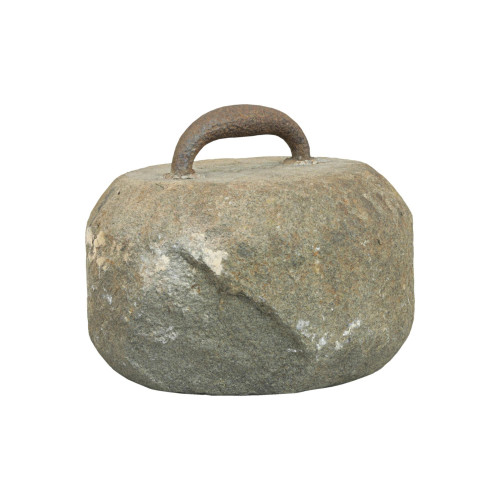
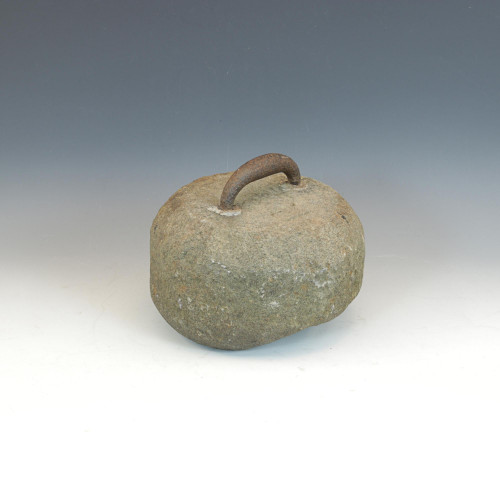
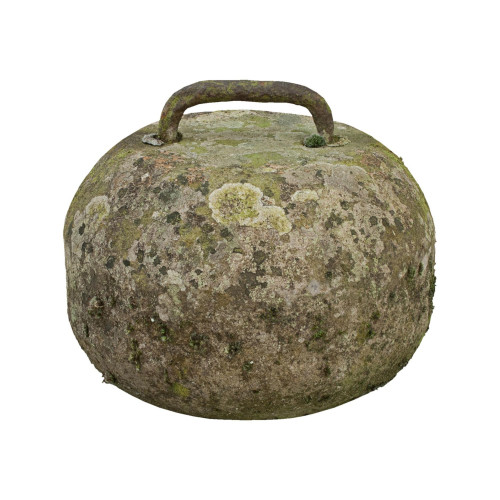
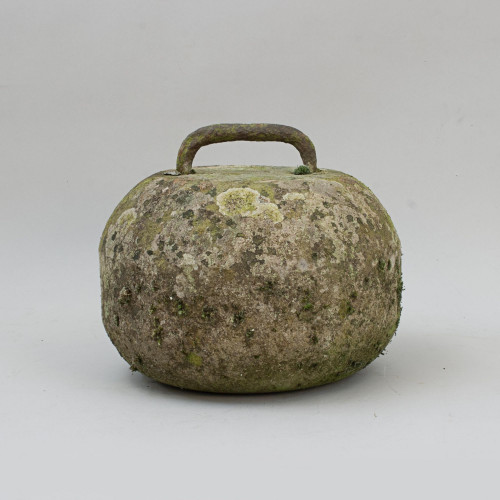
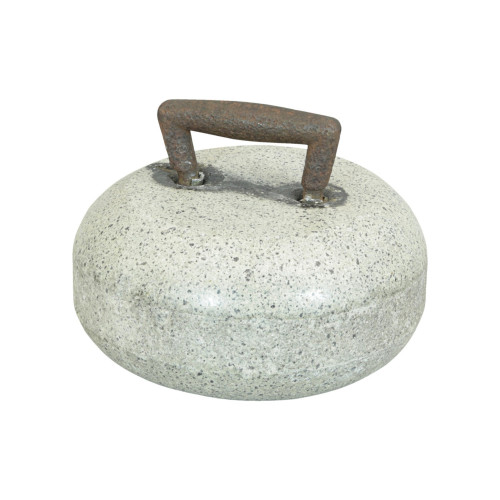
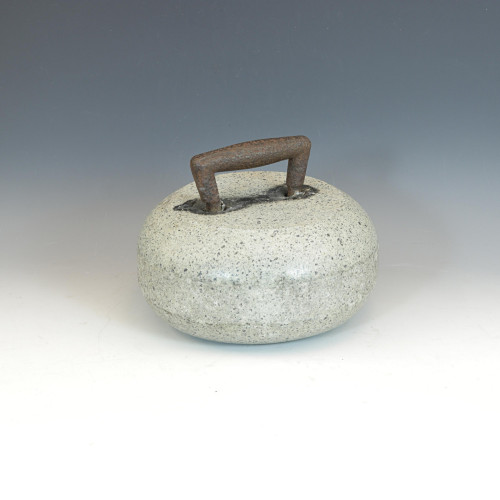
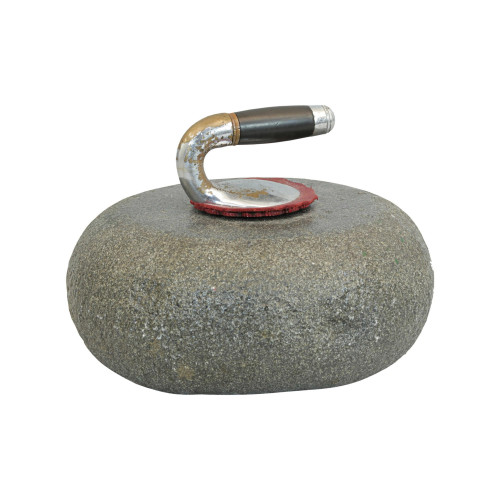
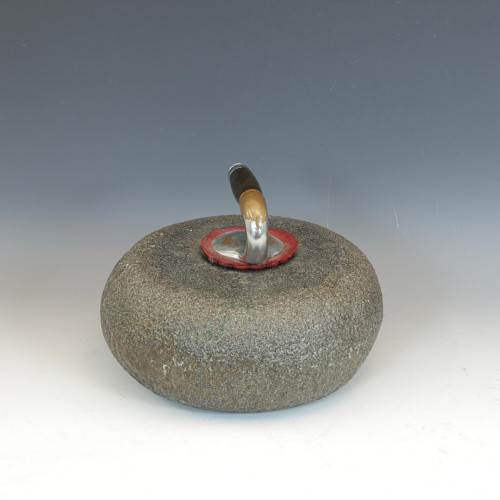
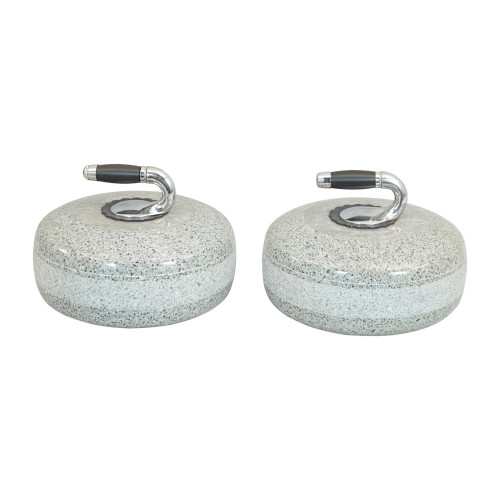
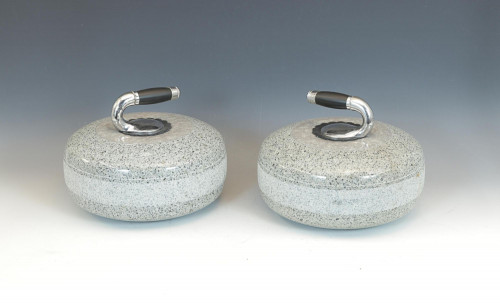
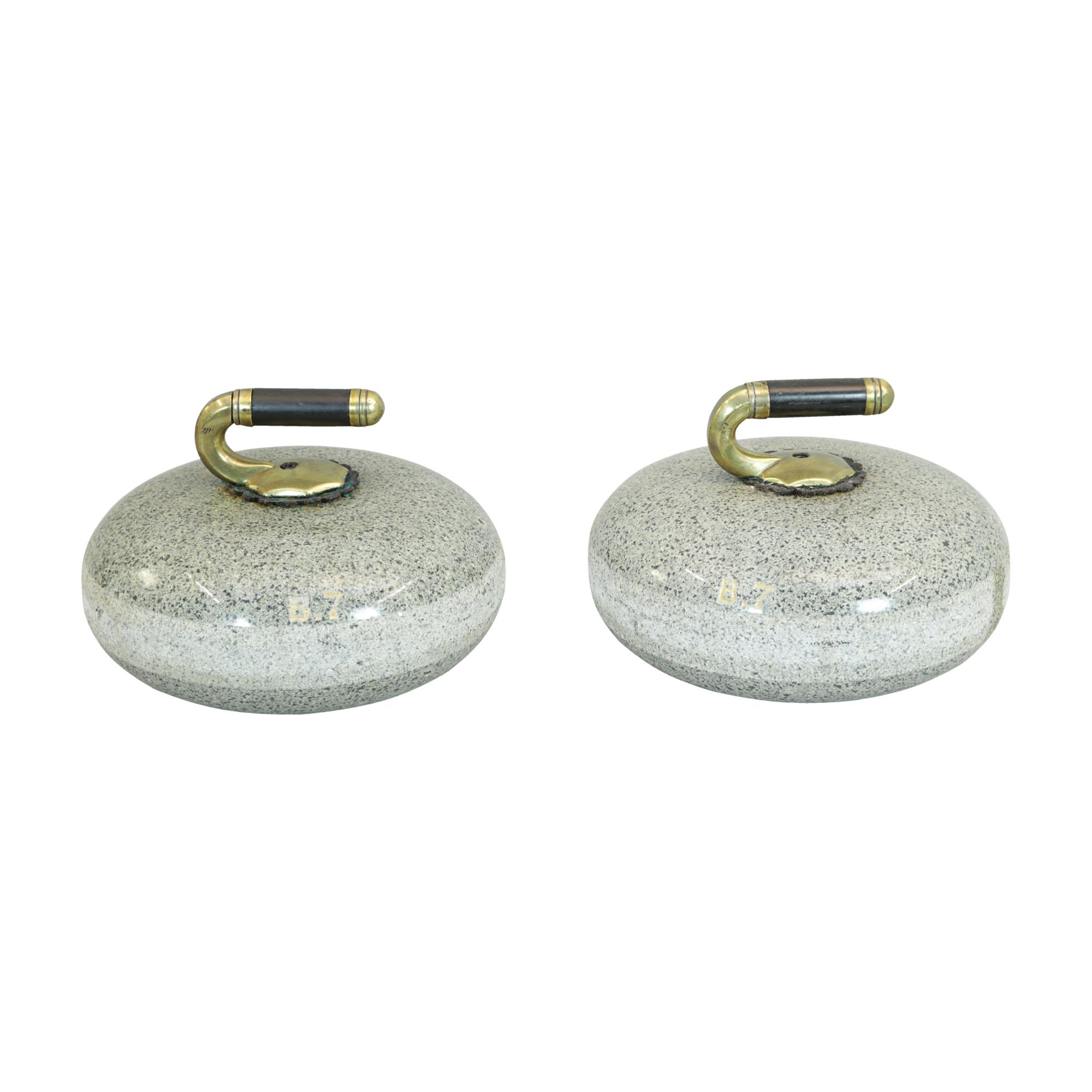
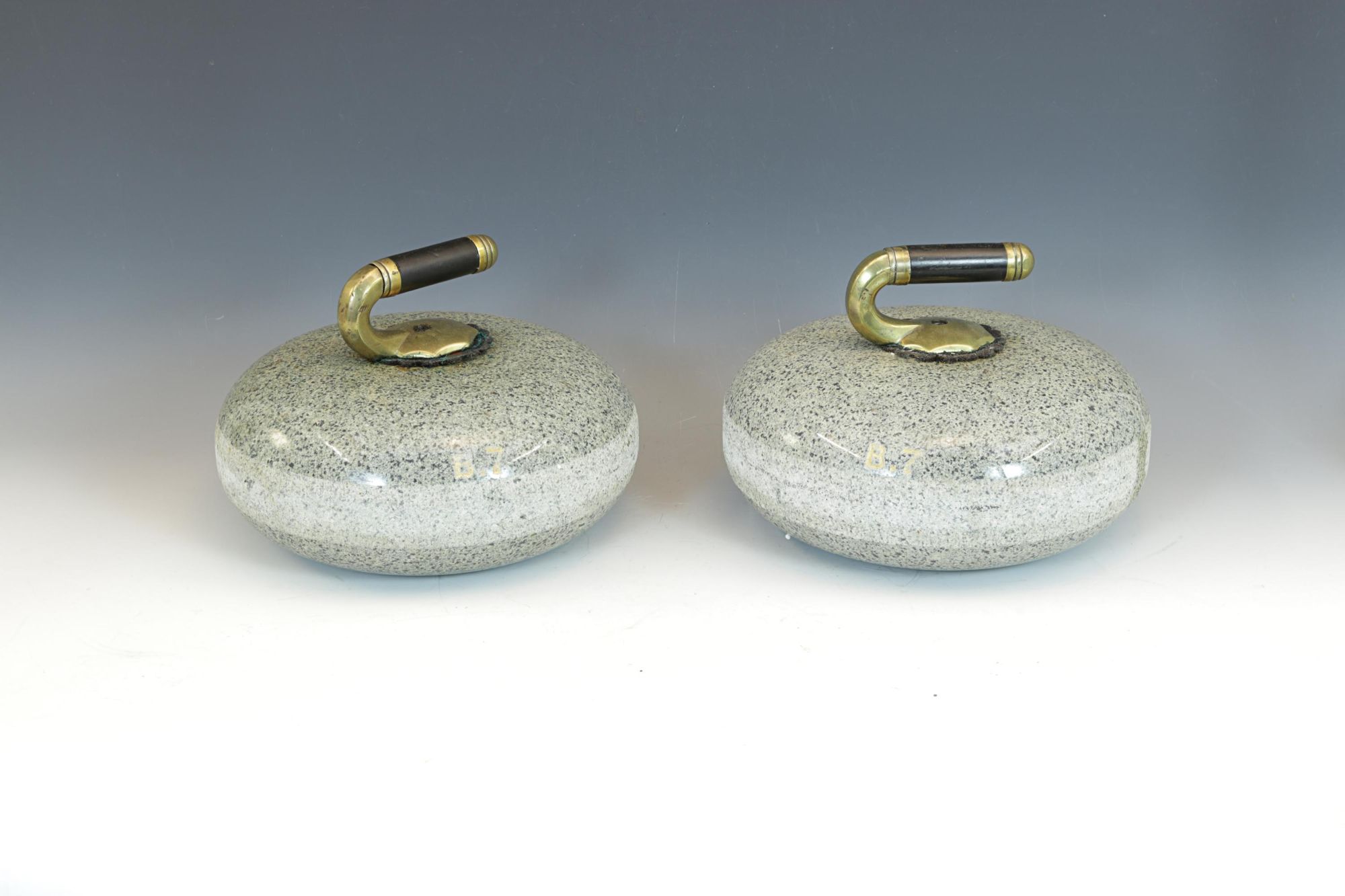
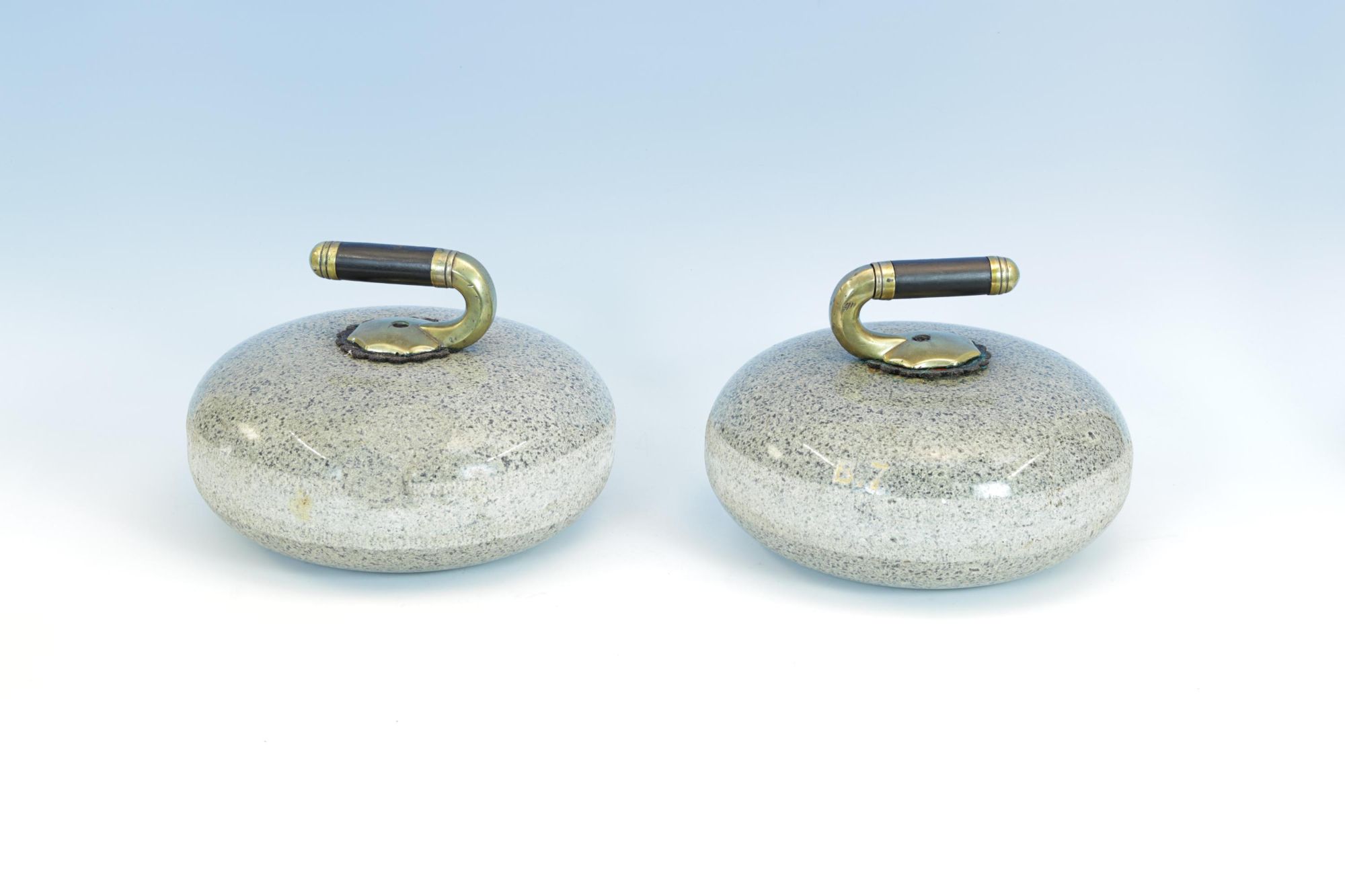
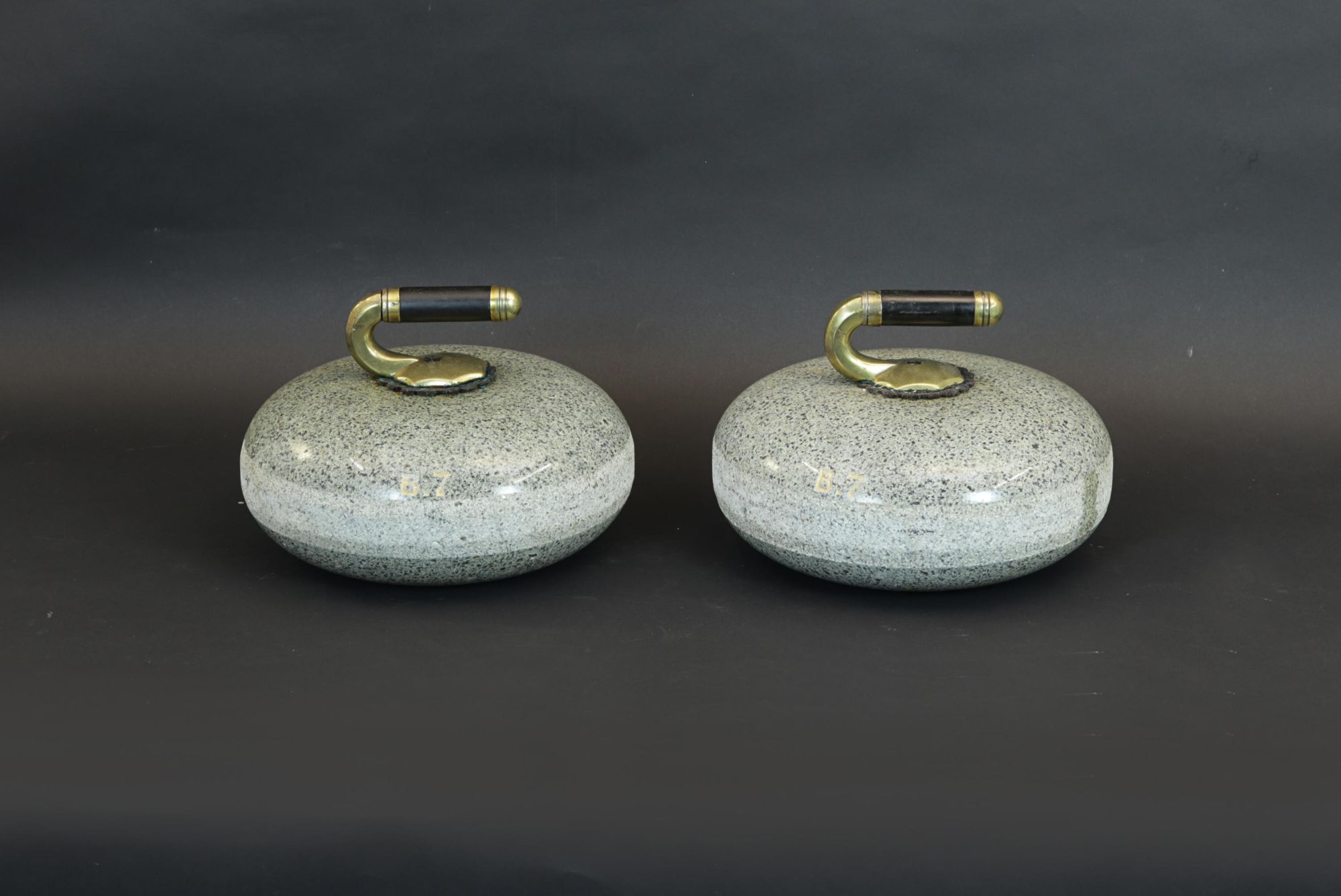
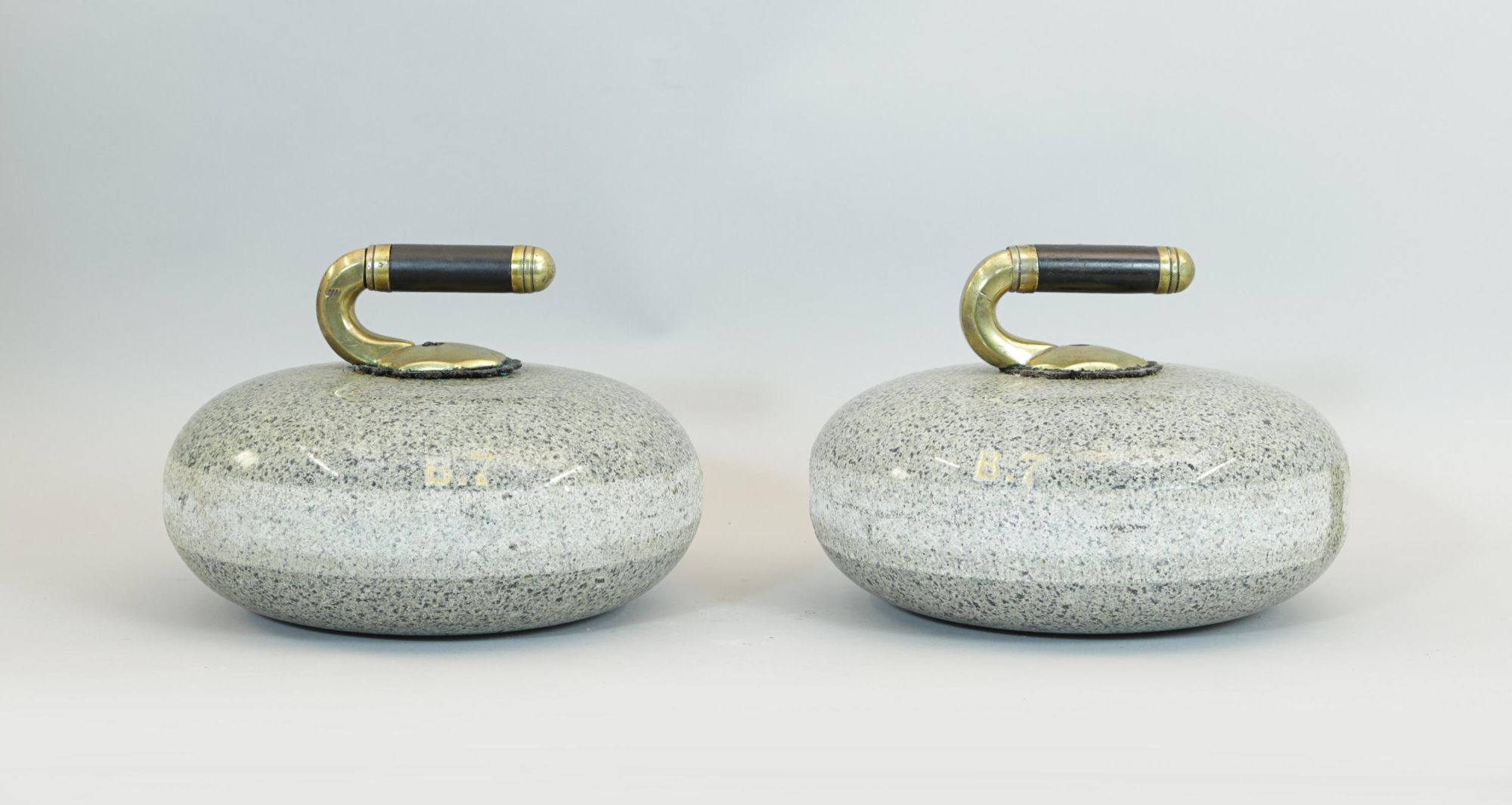
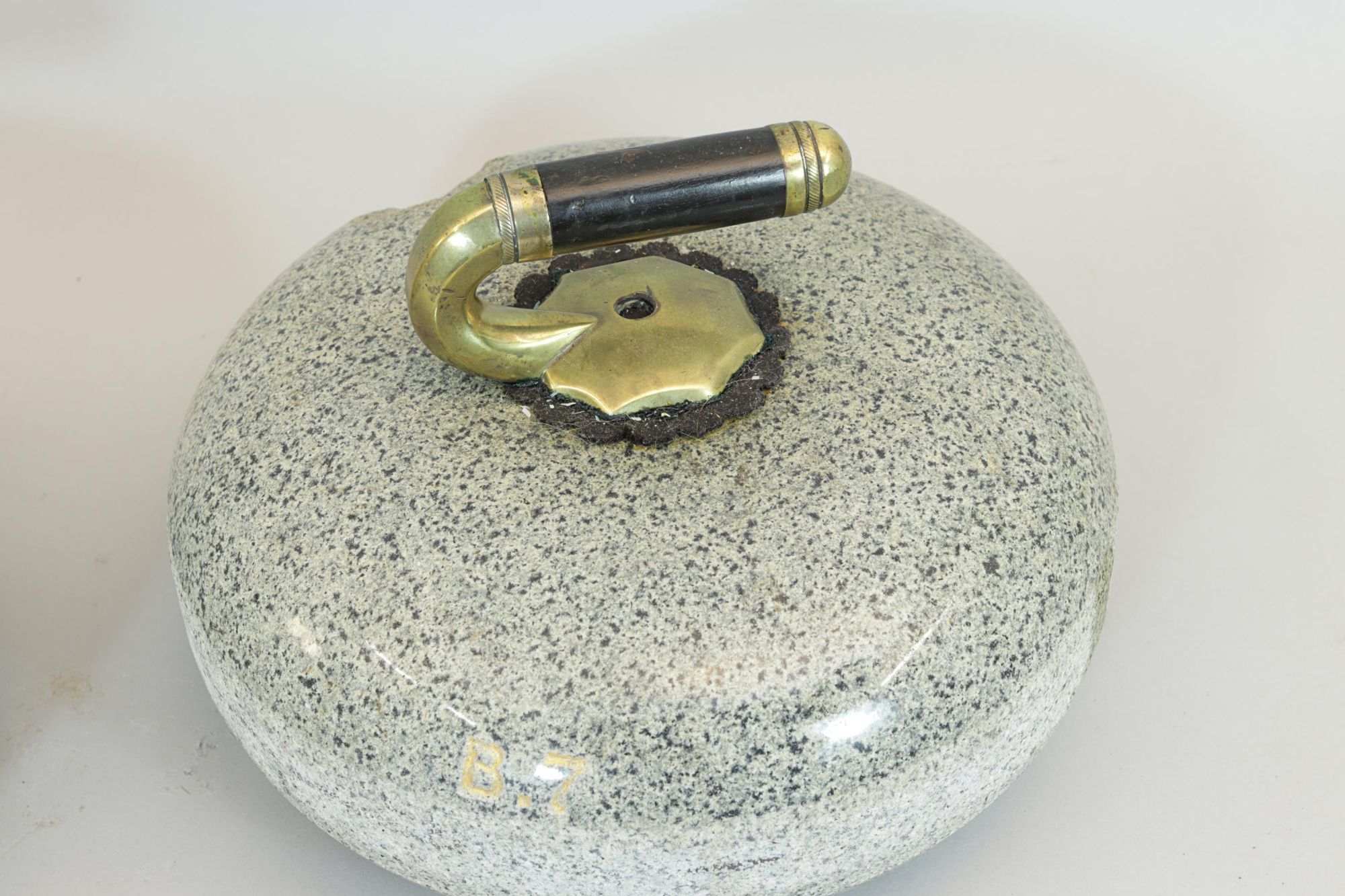
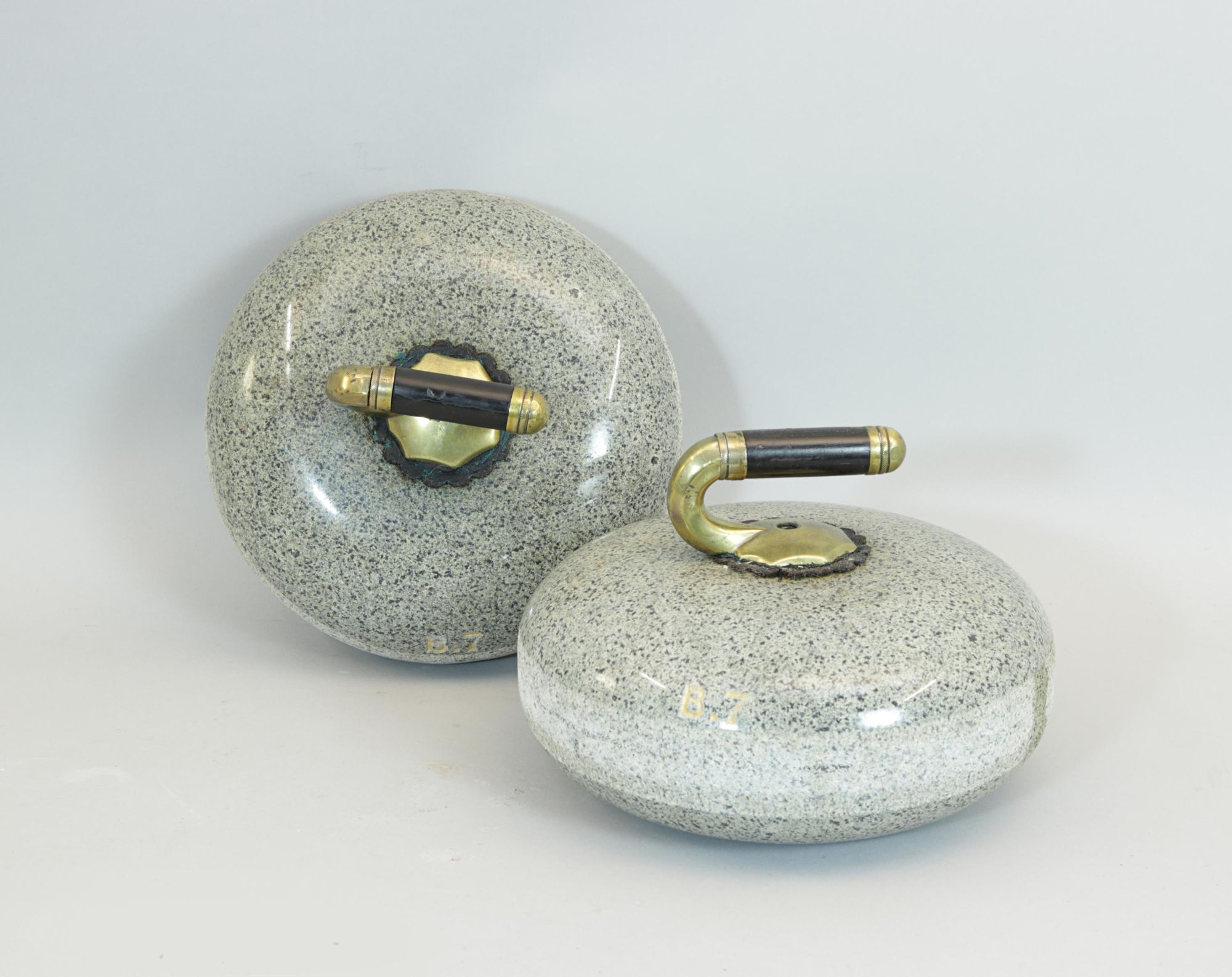
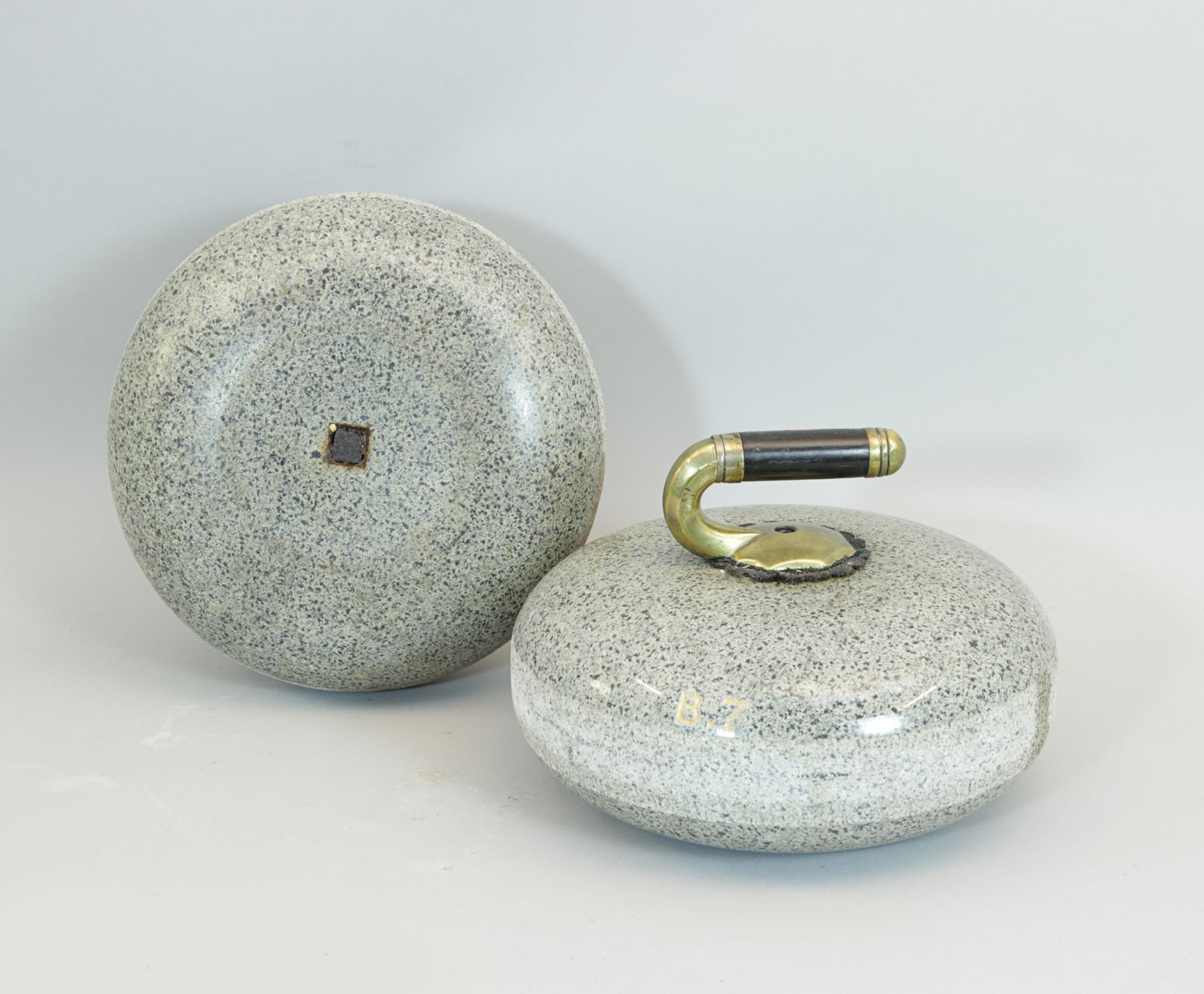
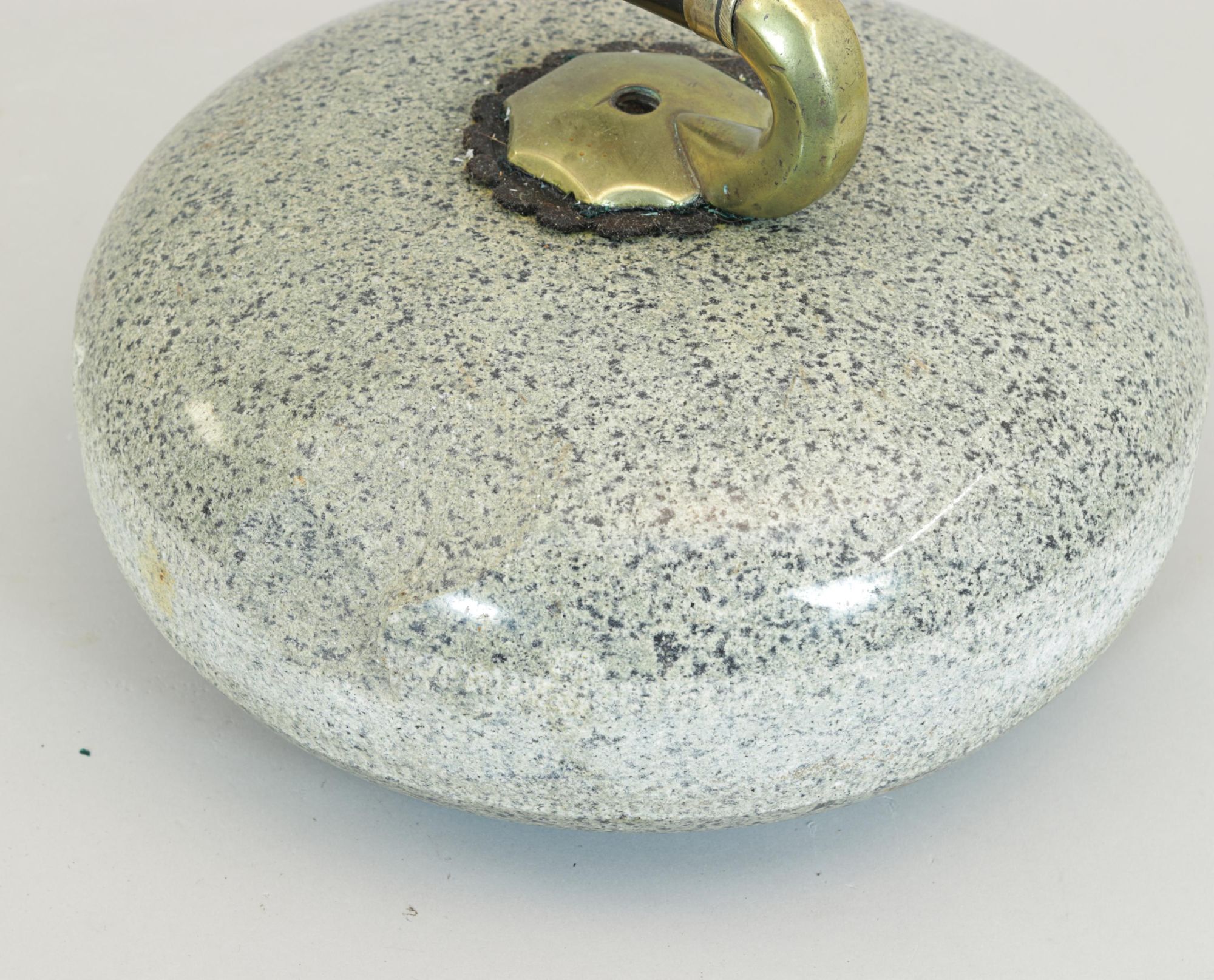
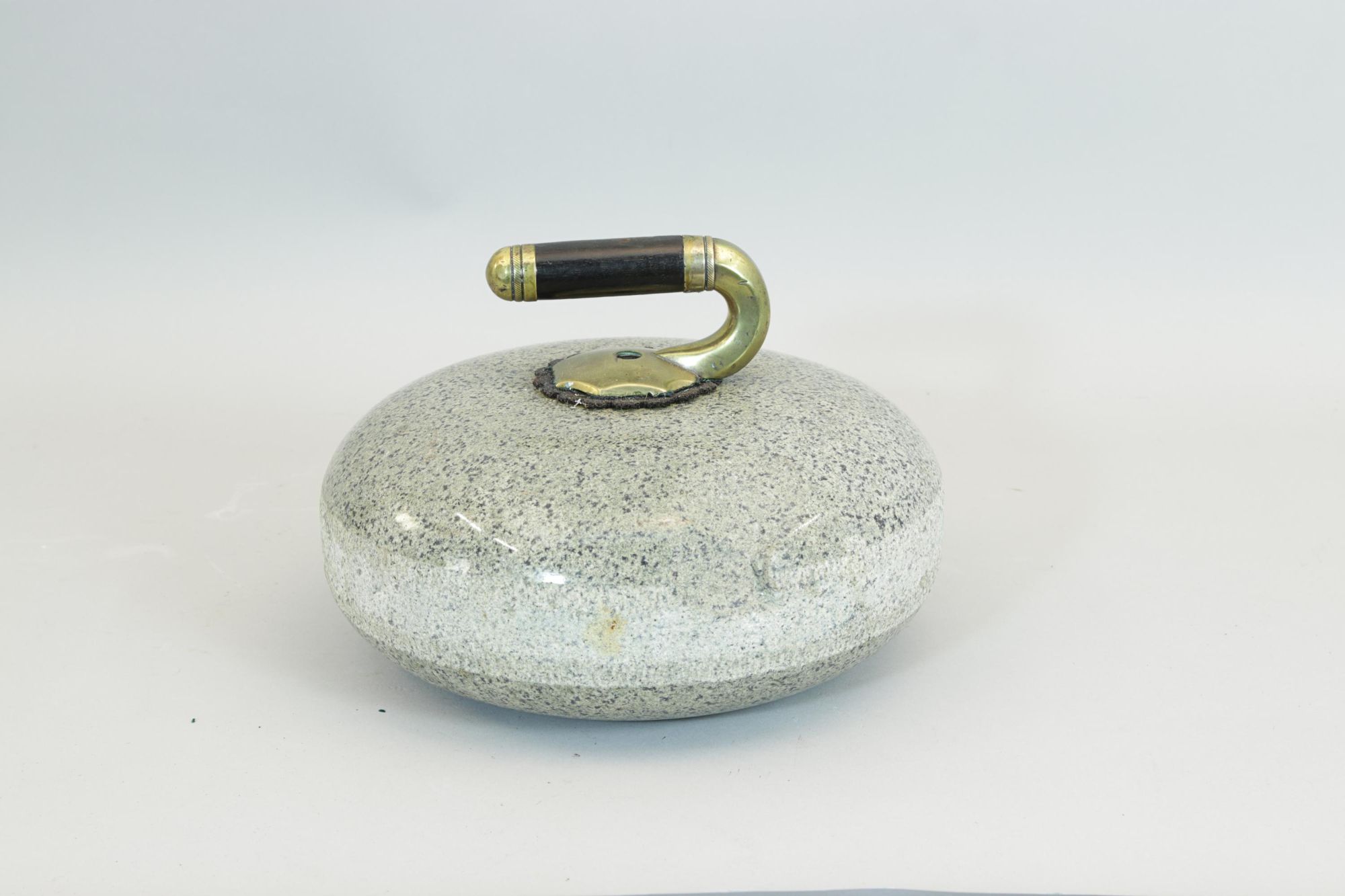
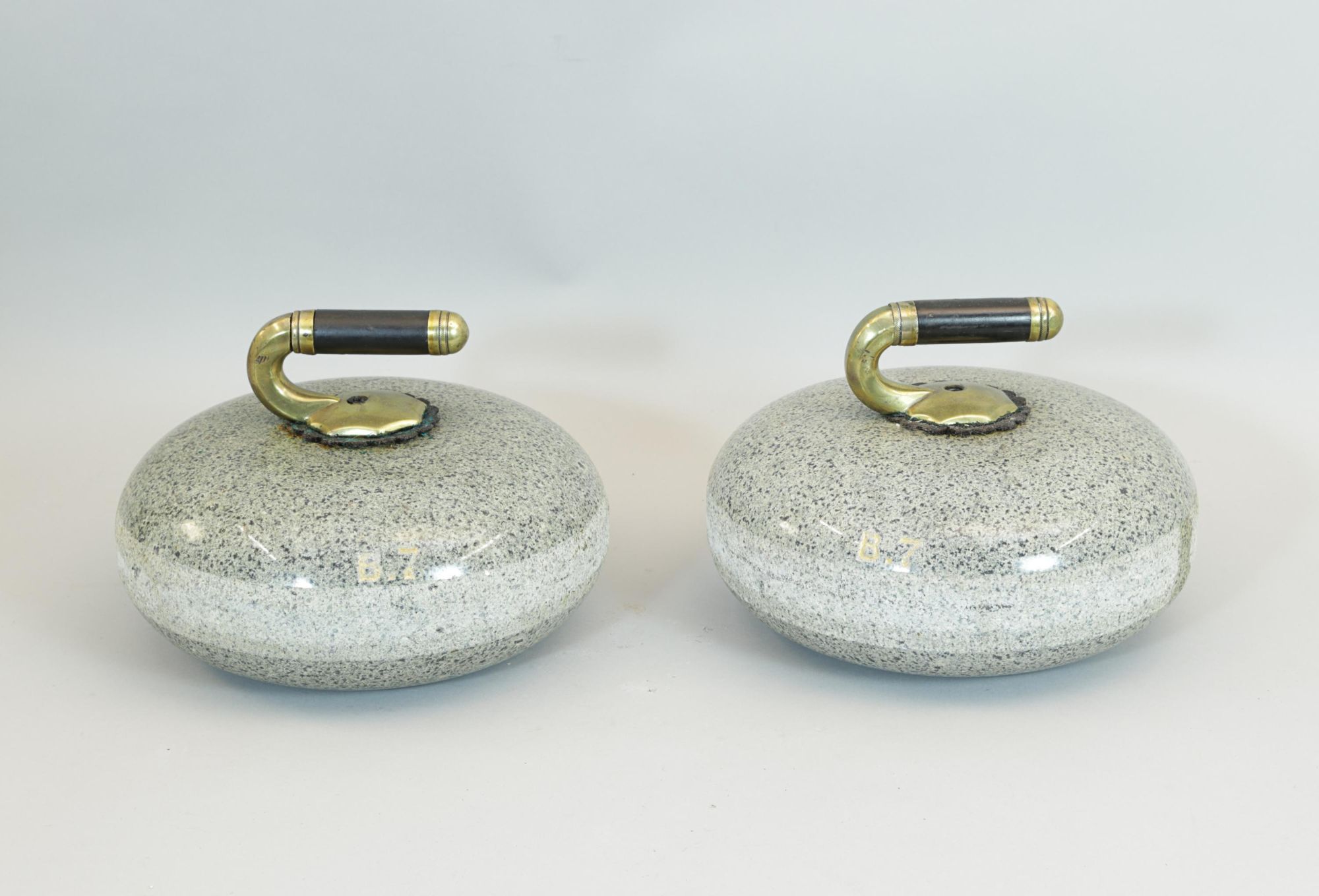
An attractive pair of traditional double soled granite curling stones, made from pale grey, finely speckled granite, with curved brass gooseneck handles and black grips. The handles have decorative brass end caps and retain a lovely mellow patina.
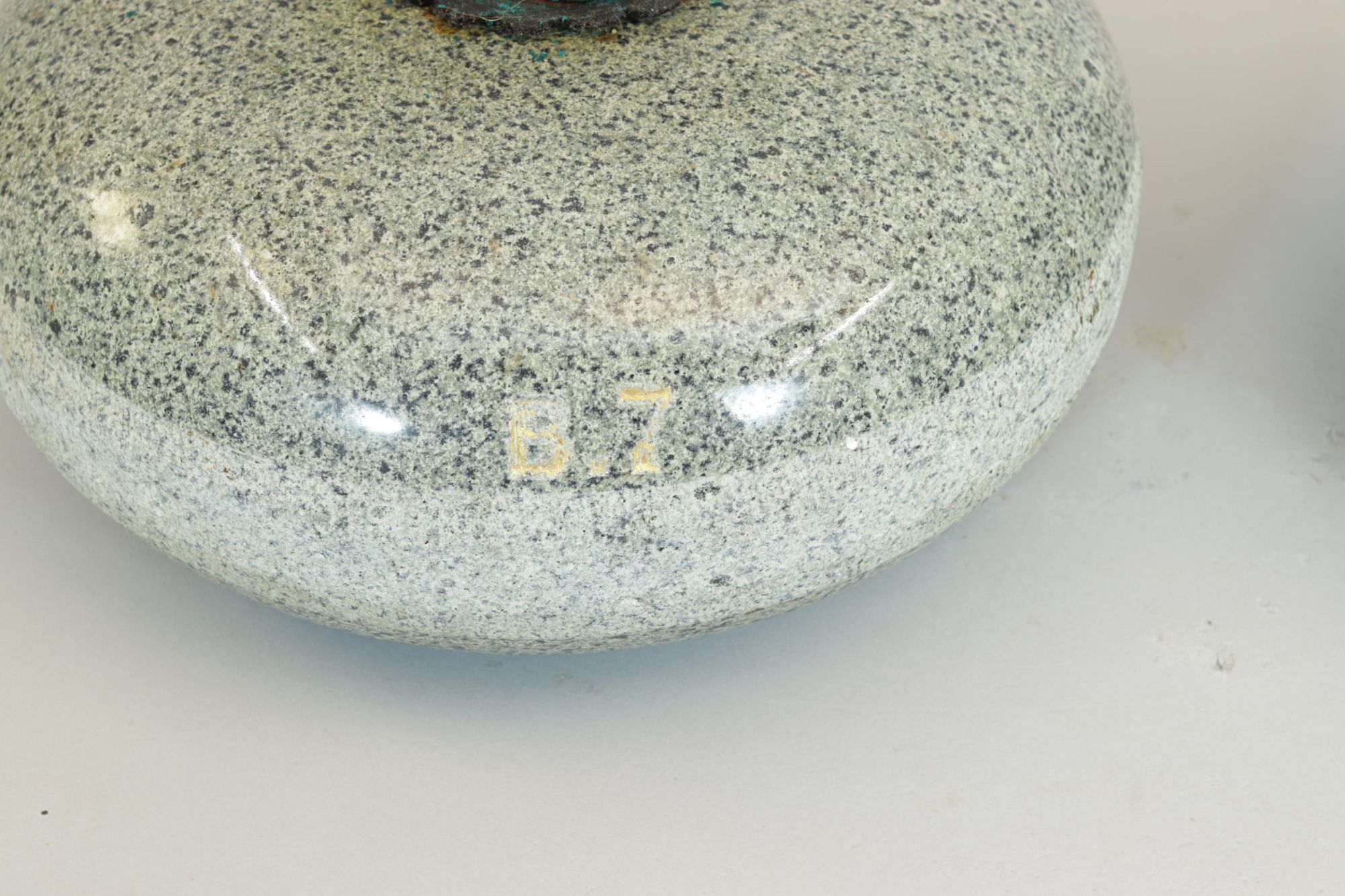
The stones are nicely shaped and polished, with a defined striking band running around their circumference. Both stones are chiselled with the identification mark "B.7", possibly indicating a numbered pair belonging to a curling club or set.
The handles are removable, allowing the stones to be stored or displayed without them. The brass fittings are mounted on dark protective washers, contrasting nicely with the pale granite.
The stones measure 27 cm in diameter and 12 cm high without the handles, which add a further 7 cm to the overall height. The circumference is approximately 87 cm.
A very attractive decorative pair, with a pleasing combination of polished granite, brass and dark wooden grips. Ideal for the curling enthusiast or collector of traditional sporting antiques, and equally suitable as unusual decorative pieces or substantial doorstops.
The exact origins of curling are unclear, but the game has a long history in Scotland, where it was originally played outdoors on frozen lochs and ponds. With the unpredictability of the Scottish winters, artificial outdoor curling rinks were developed to make a little frost go a long way. Shallow areas of concrete were flooded with small amounts of water, which could freeze solid after a night's frost, providing a surface for curling when the lochs and ponds were unsafe.
The first curling clubs were formed in Scotland, where efforts were also made to standardise the rules and equipment. The Grand Caledonian Curling Club was founded in Edinburgh in 1838 and became the governing body of the sport in Scotland. The Club encouraged the use of round granite curling stones, and the game developed from teams of eight players throwing one stone each to teams of four players, each throwing two matched stones.
In 1842, Queen Victoria and Prince Albert visited Scone Palace, near Perth, where the Earl of Mansfield gave them a demonstration of curling on the polished floor of the ballroom. The Queen was evidently impressed, and the following year, in 1843, granted the Club permission to call itself the Royal Caledonian Curling Club.
Curling was also firmly established in Canada by Scottish immigrants. The Montreal Curling Club was founded in 1807, making it the oldest established sporting club still active in North America. Today known as the Royal Montreal Curling Club, it remains an important part of the game's history.
Dimensions:
1900-1949
Circa 1890s
Granite
Scotland
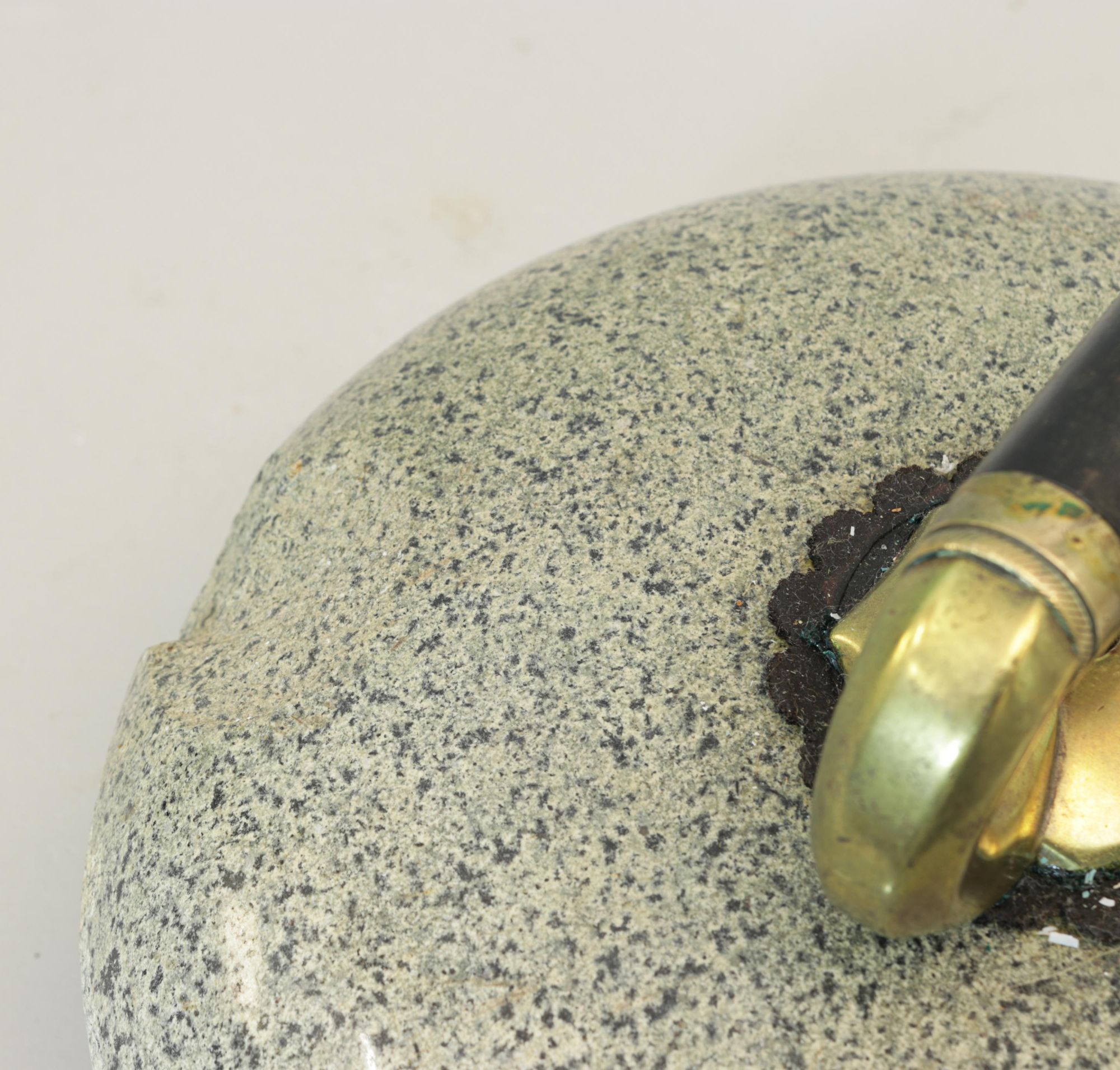
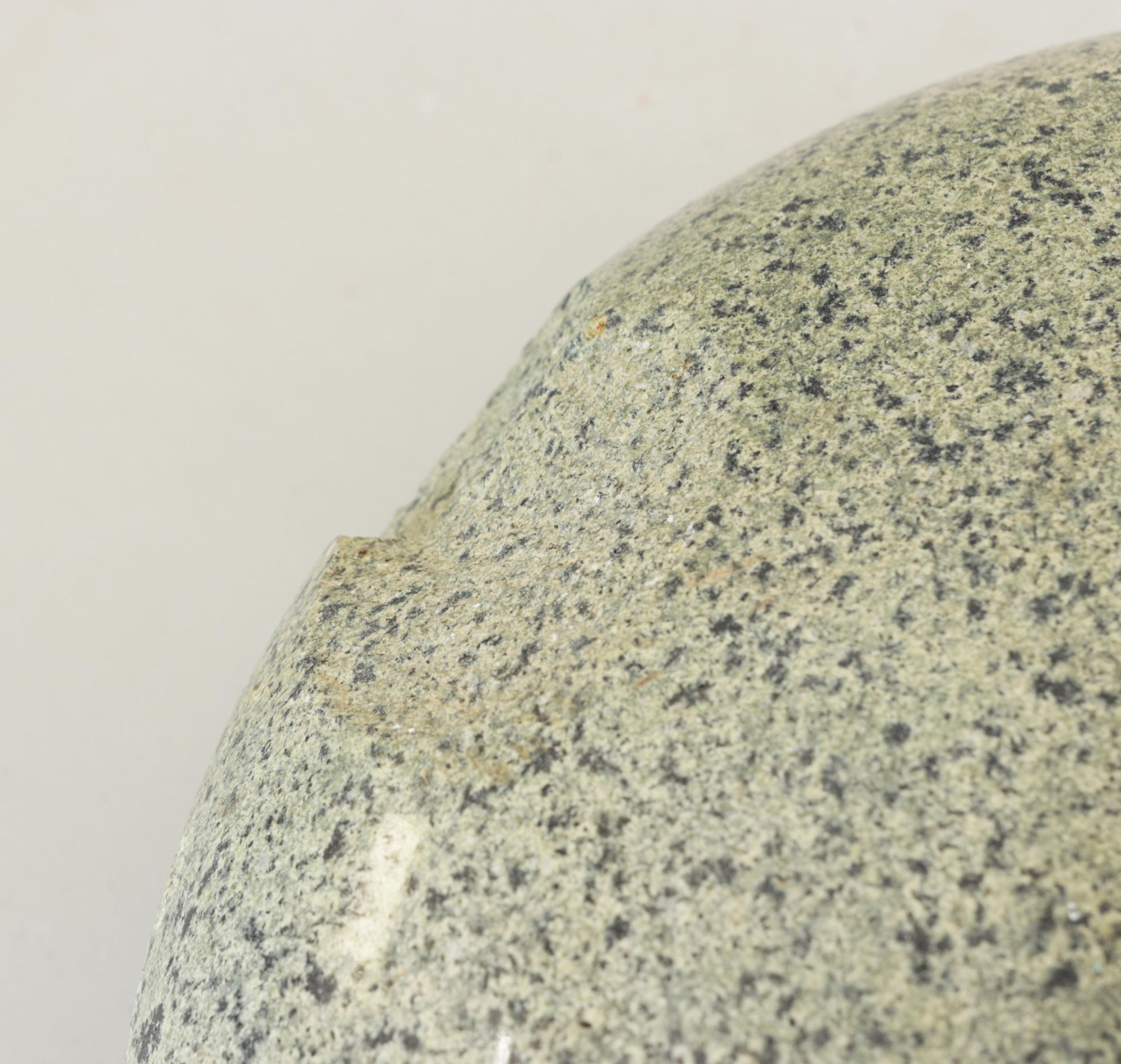
The stones are in good condition, although one does have a chunk out of the side (see images).
RELATED ITEMS