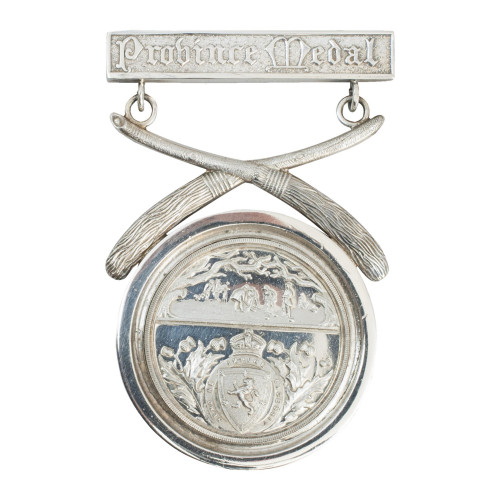
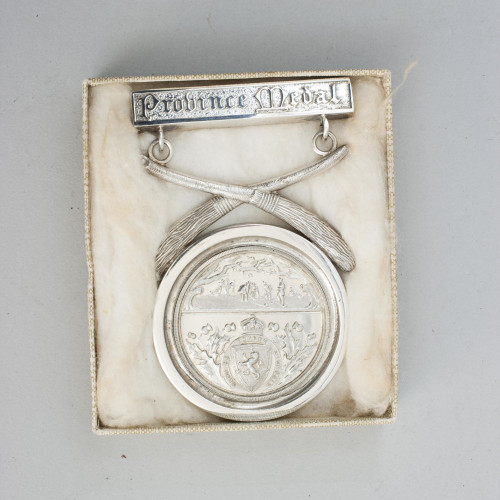
19th century Curling Stone
19th century Curling Stone
32199
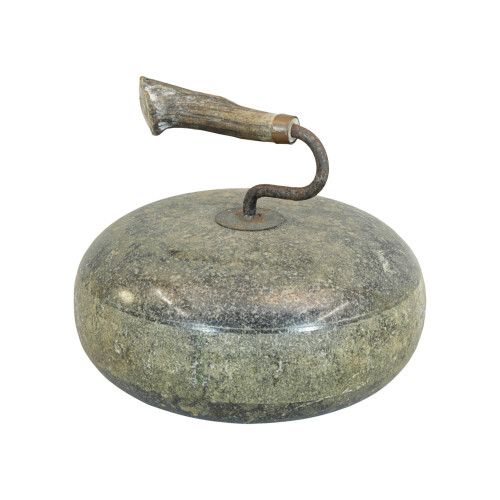
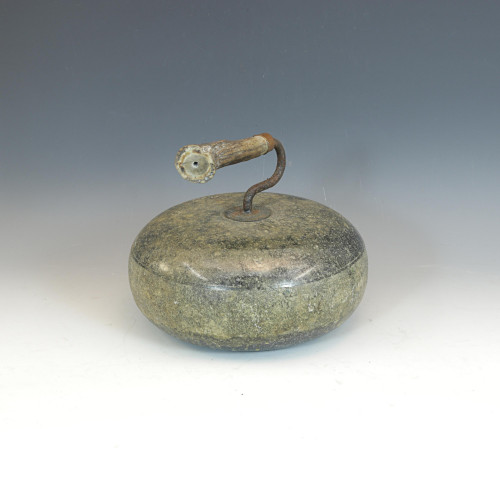
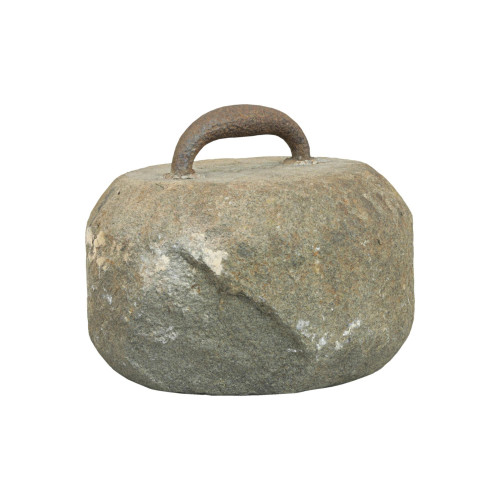
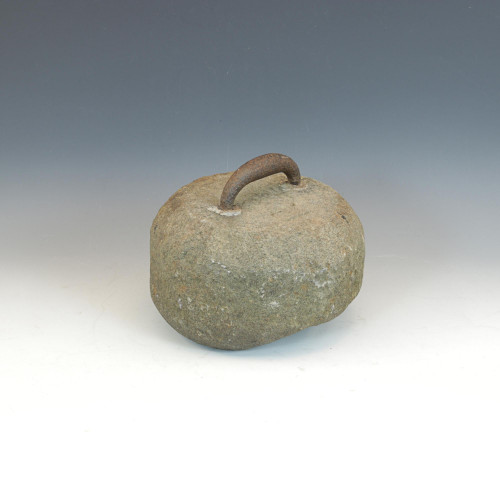
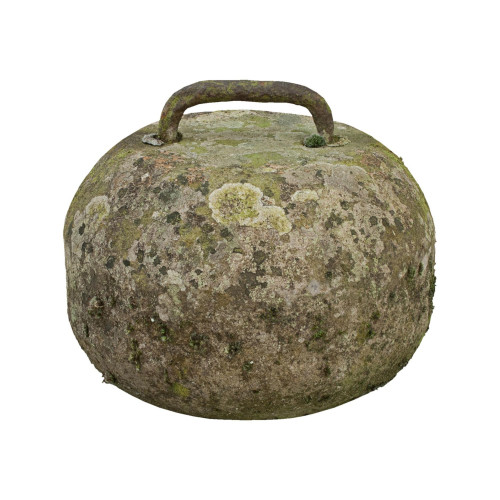
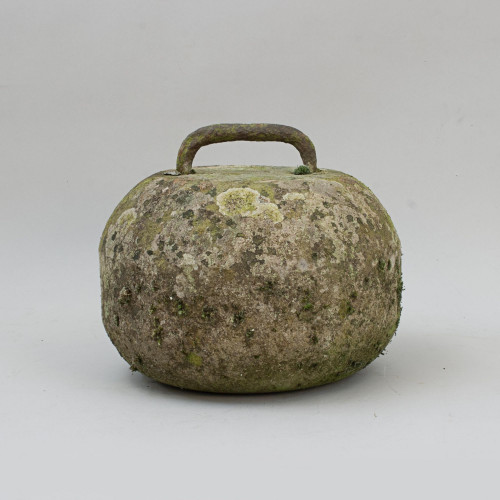
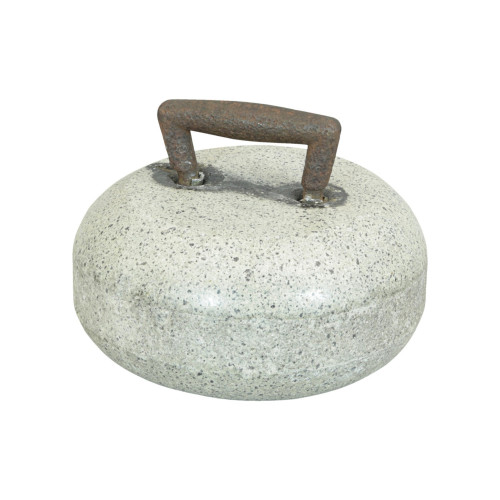
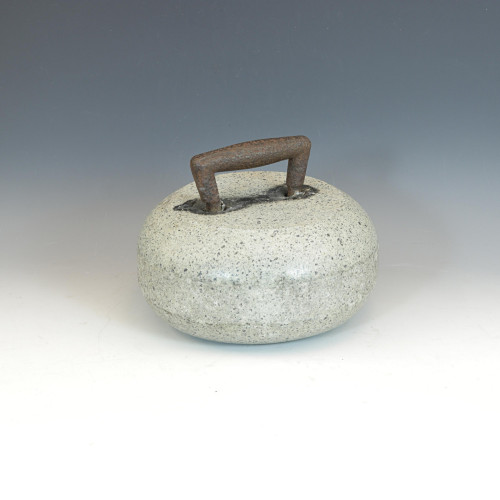
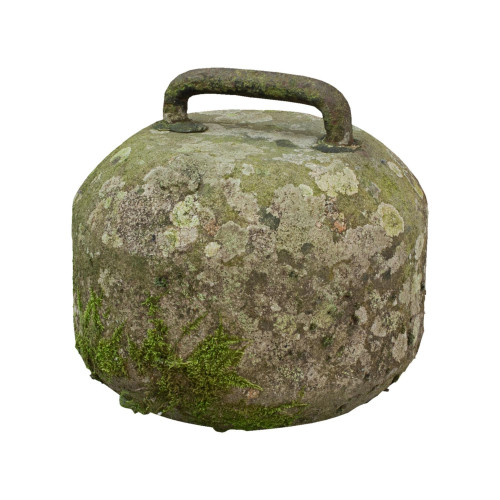
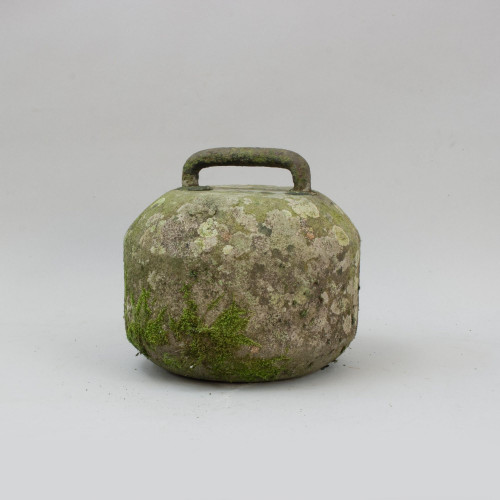
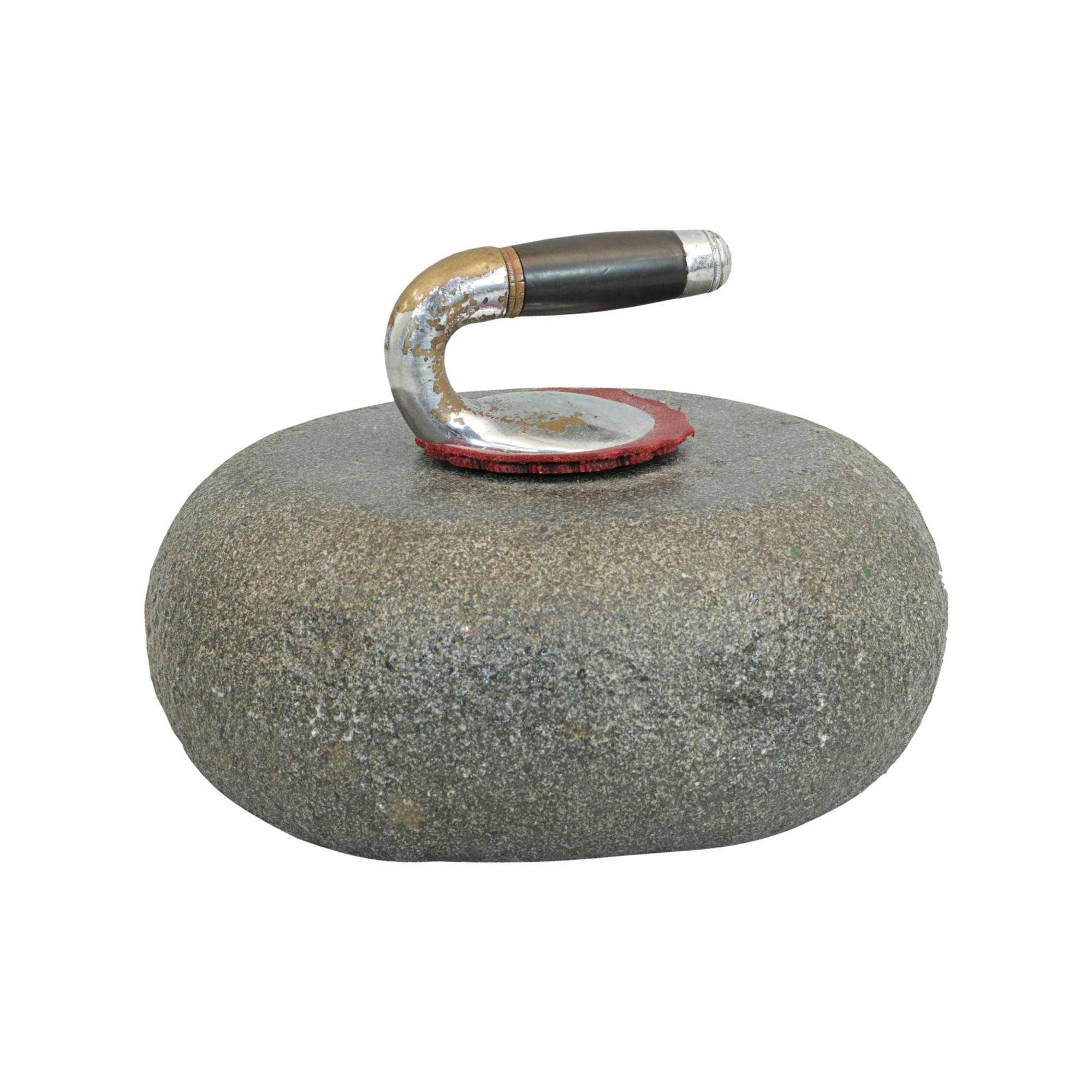
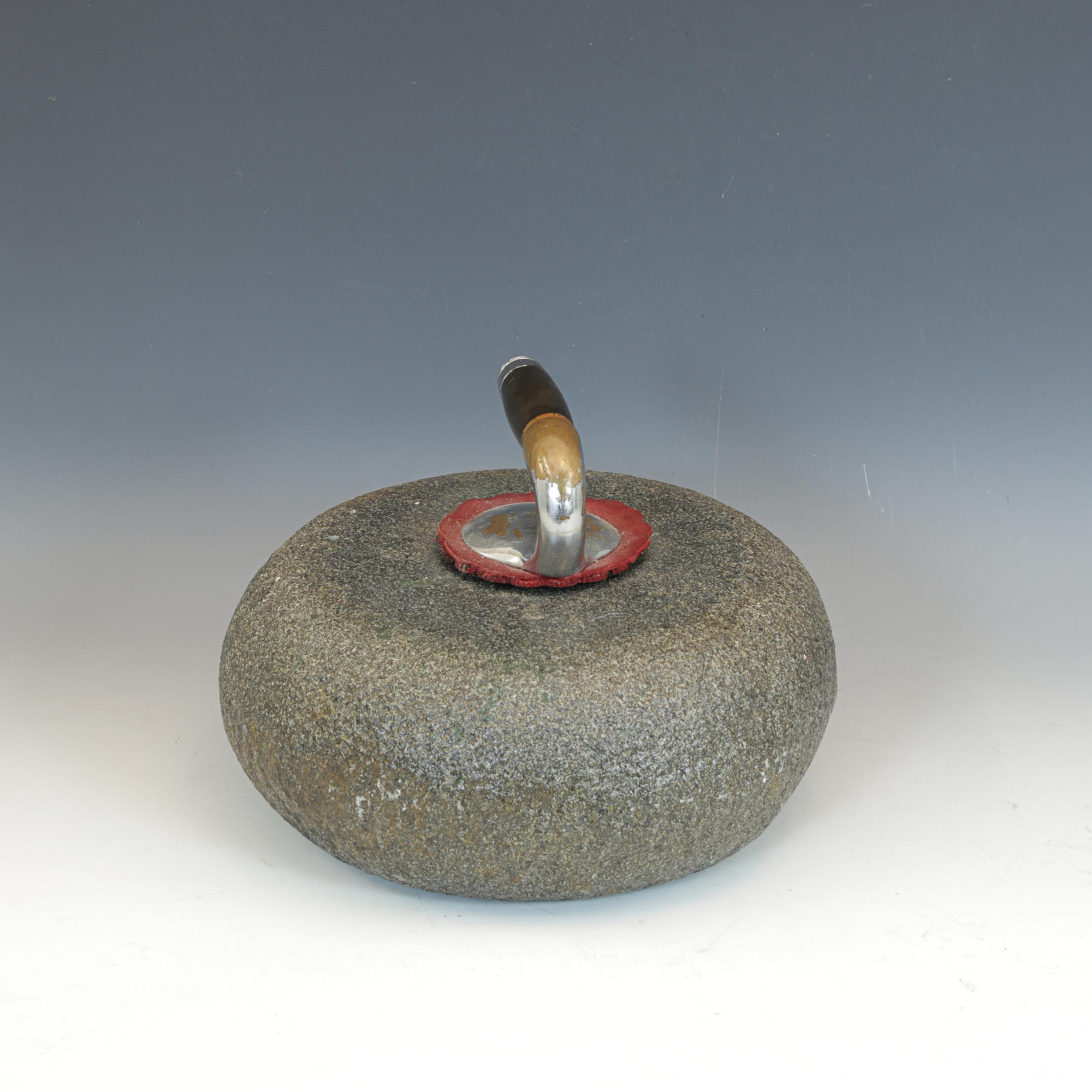
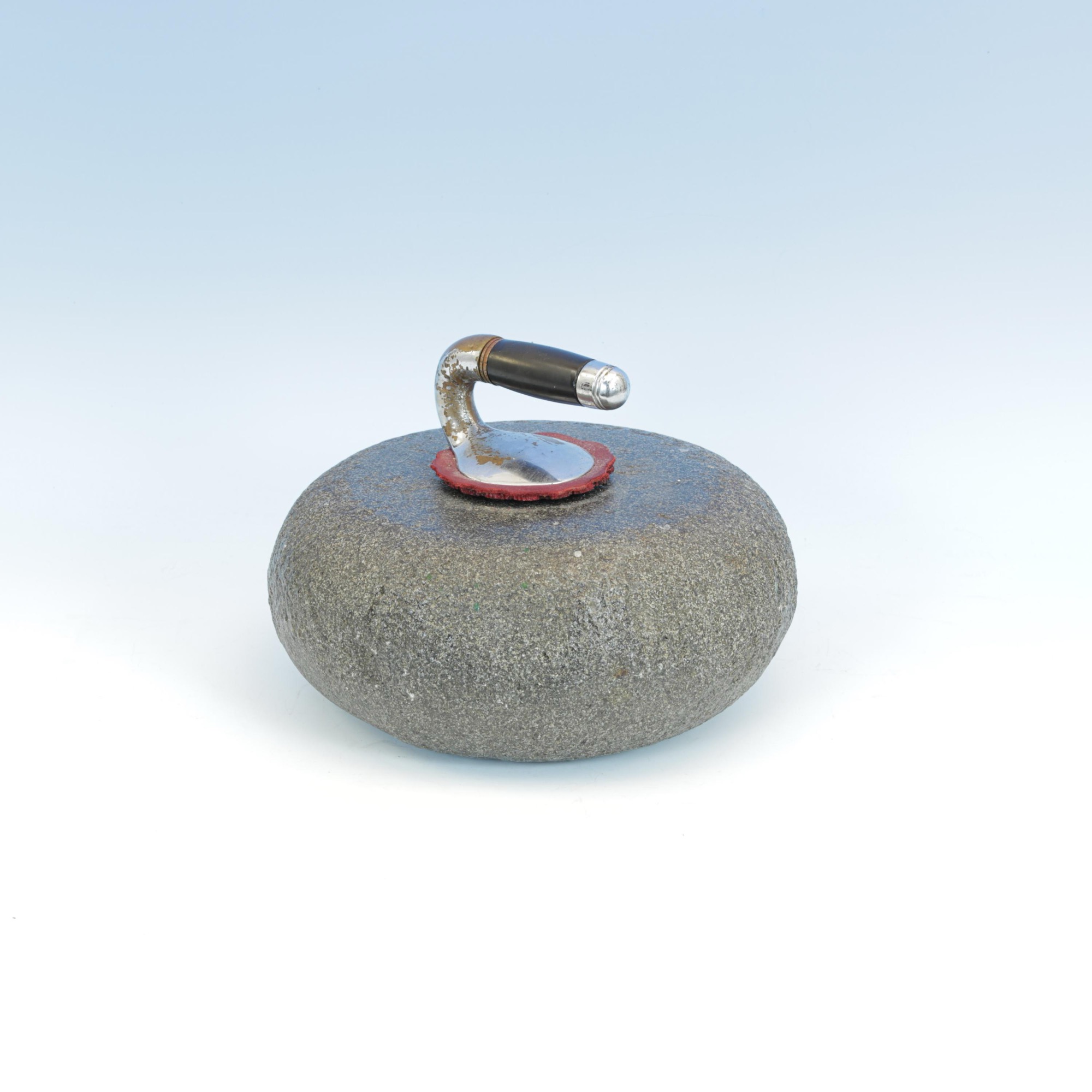
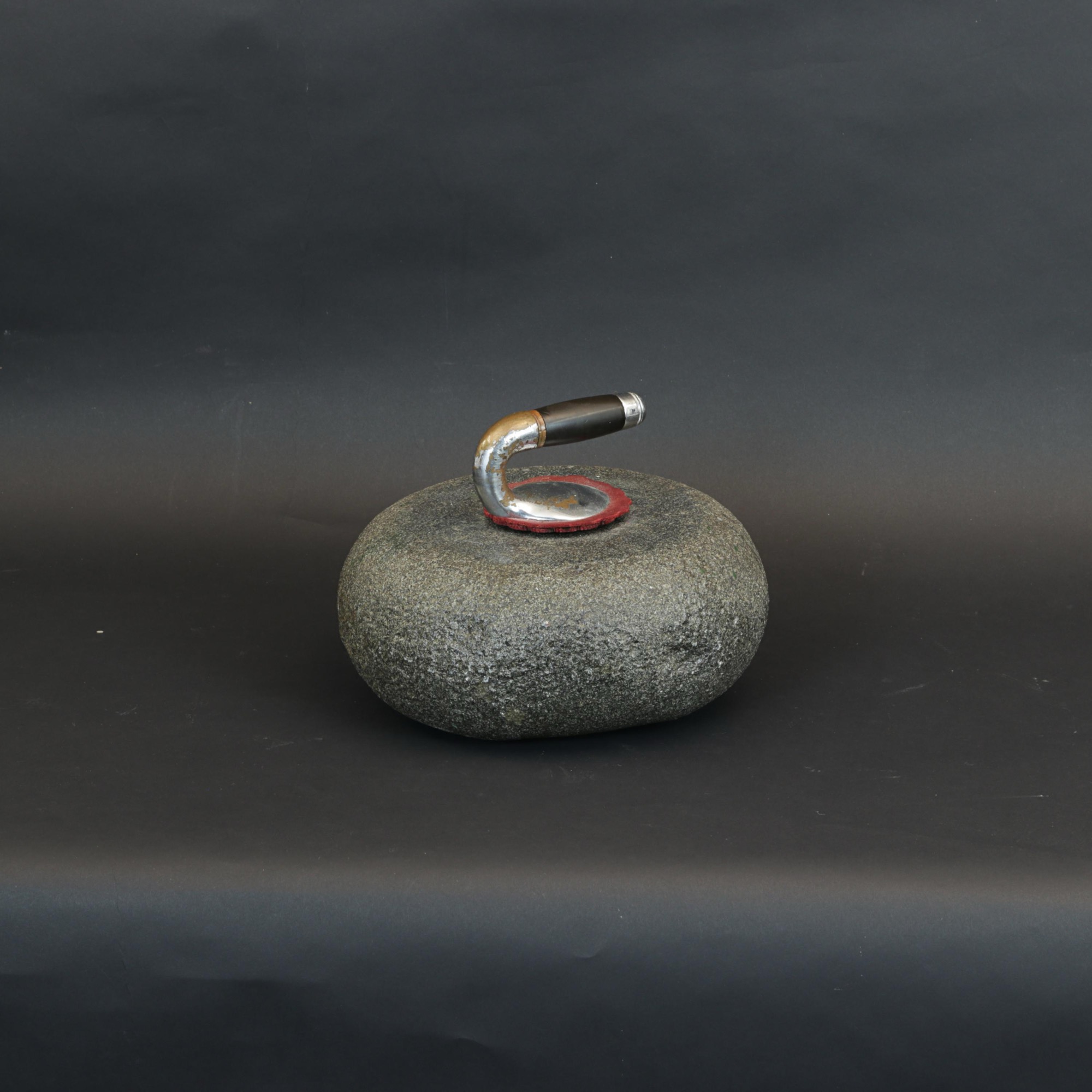
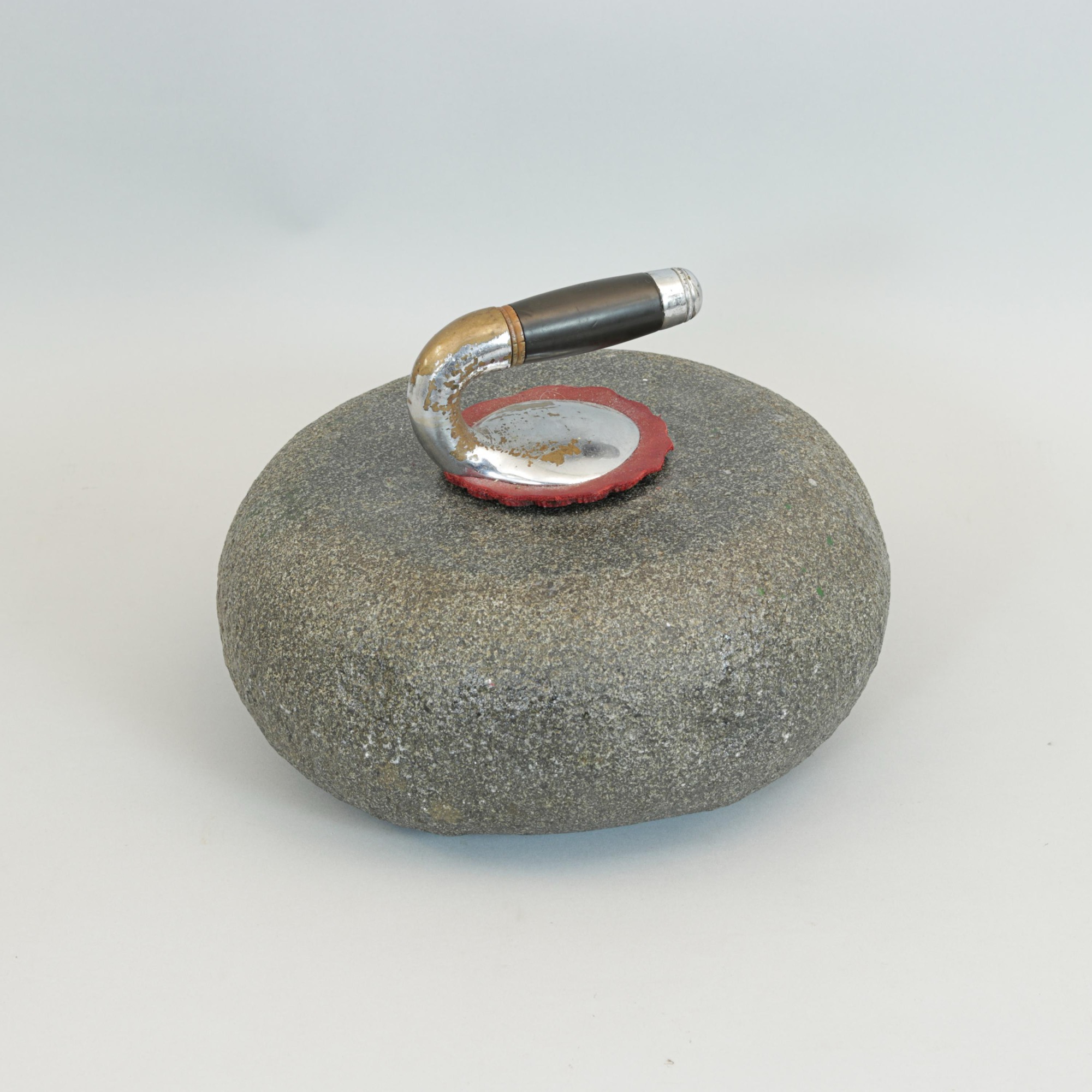
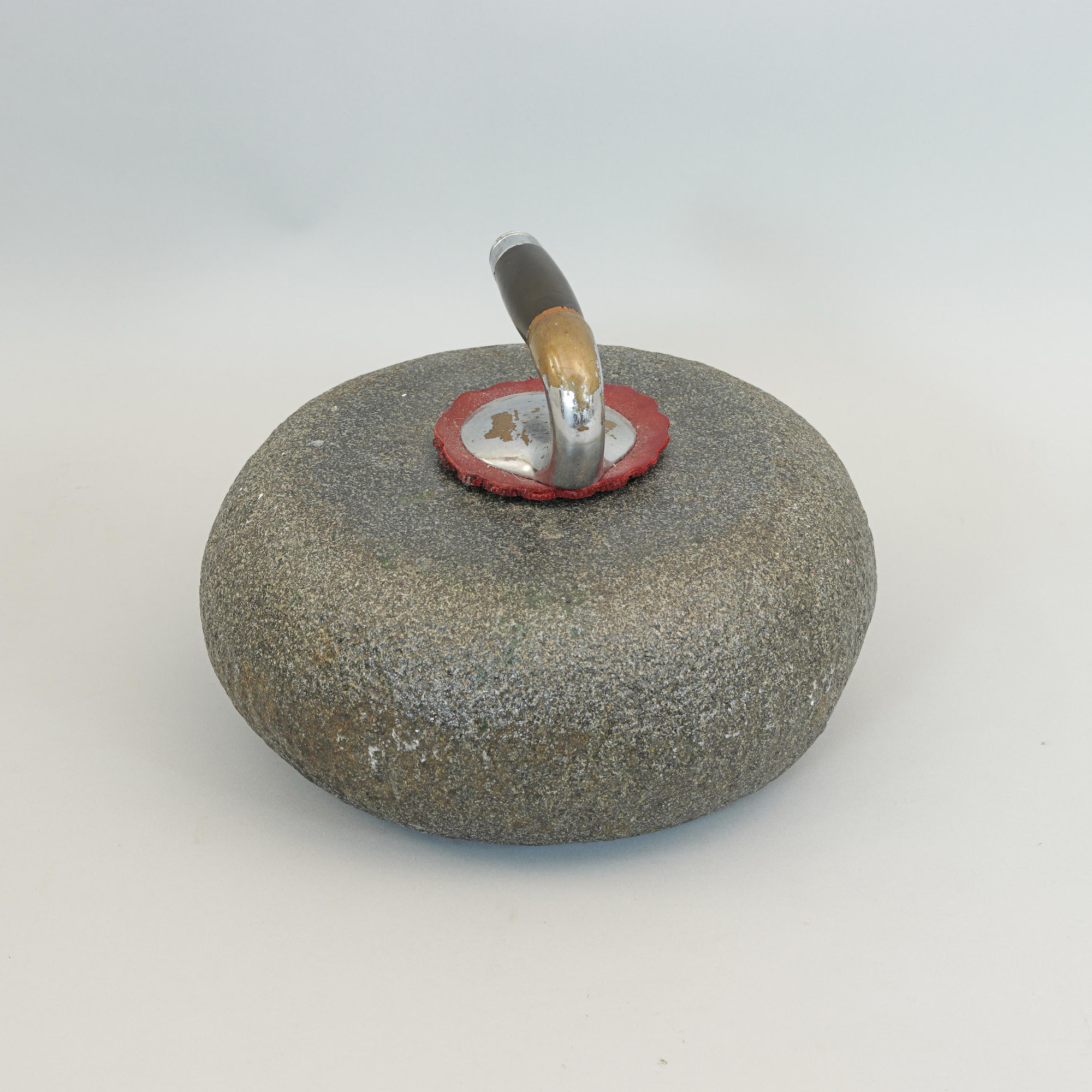
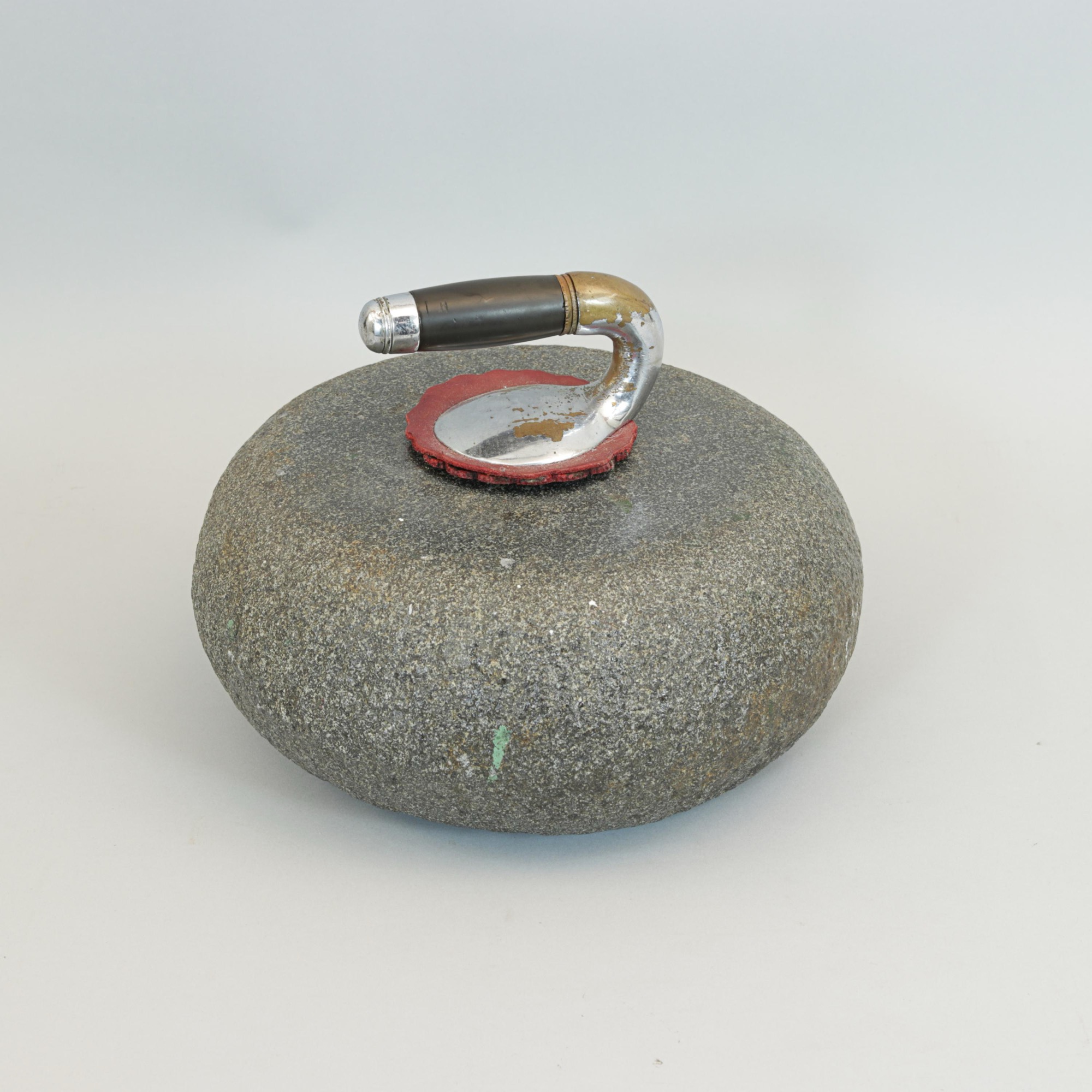
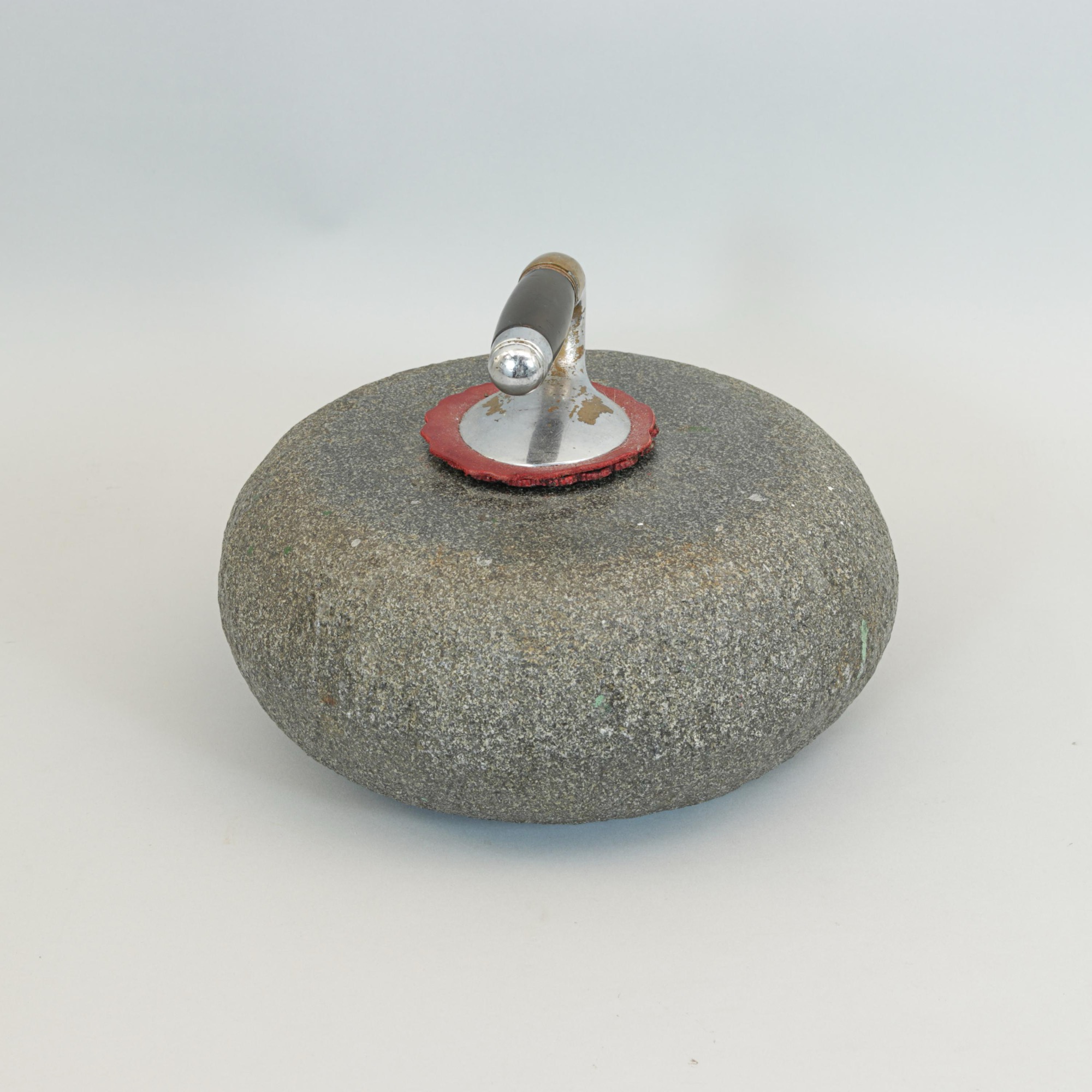
Single Antique Granite Curling Stone.
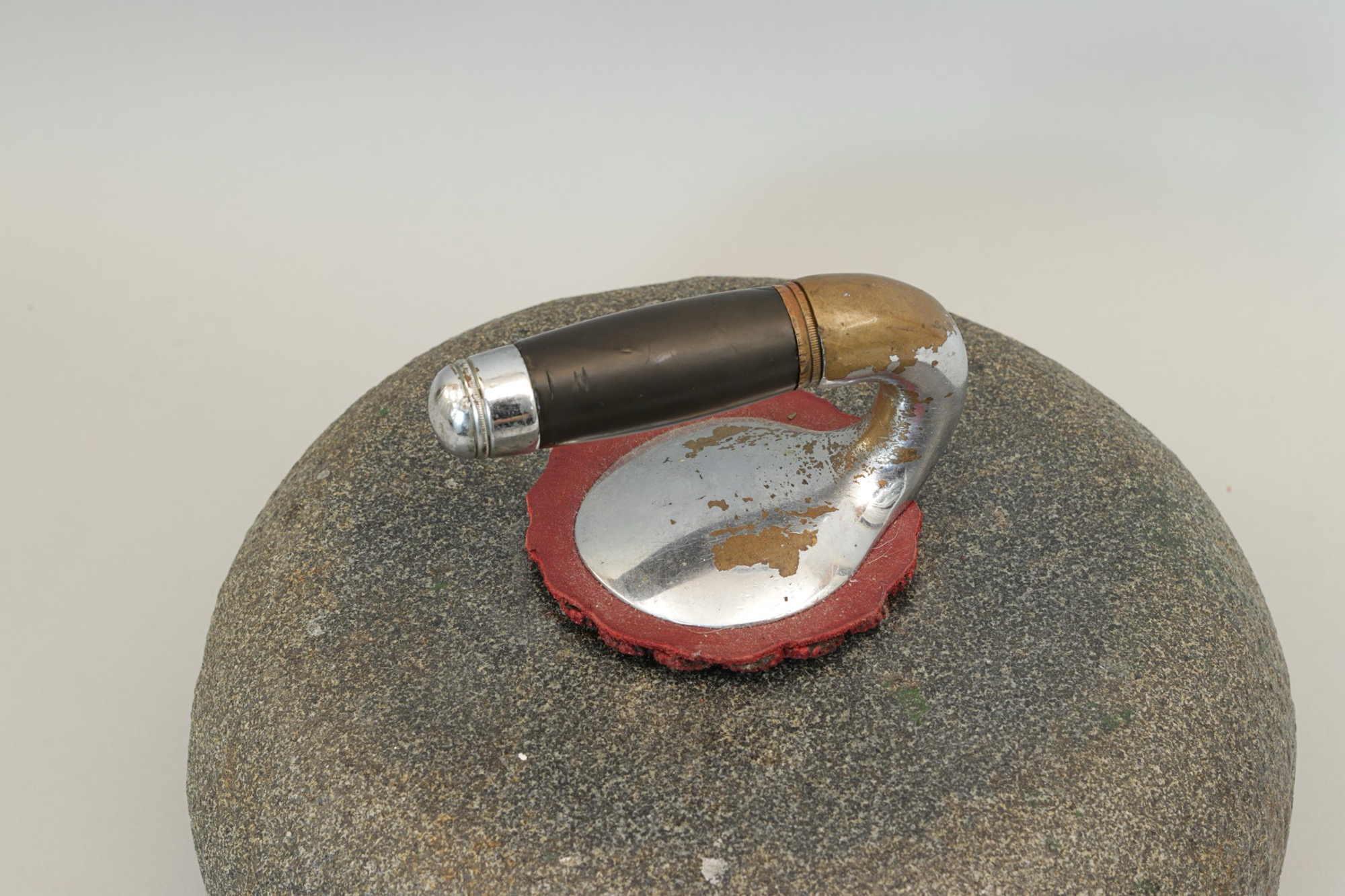
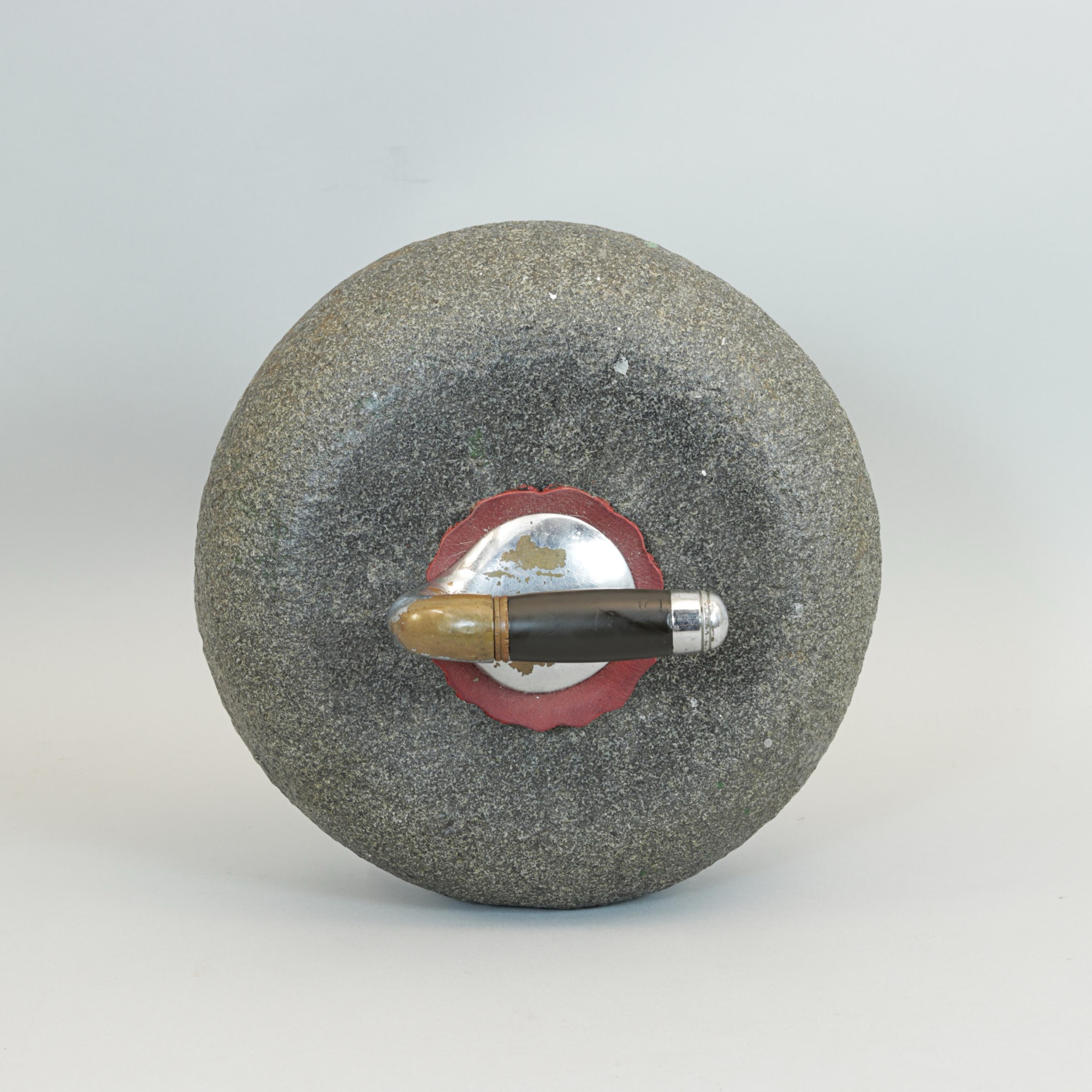
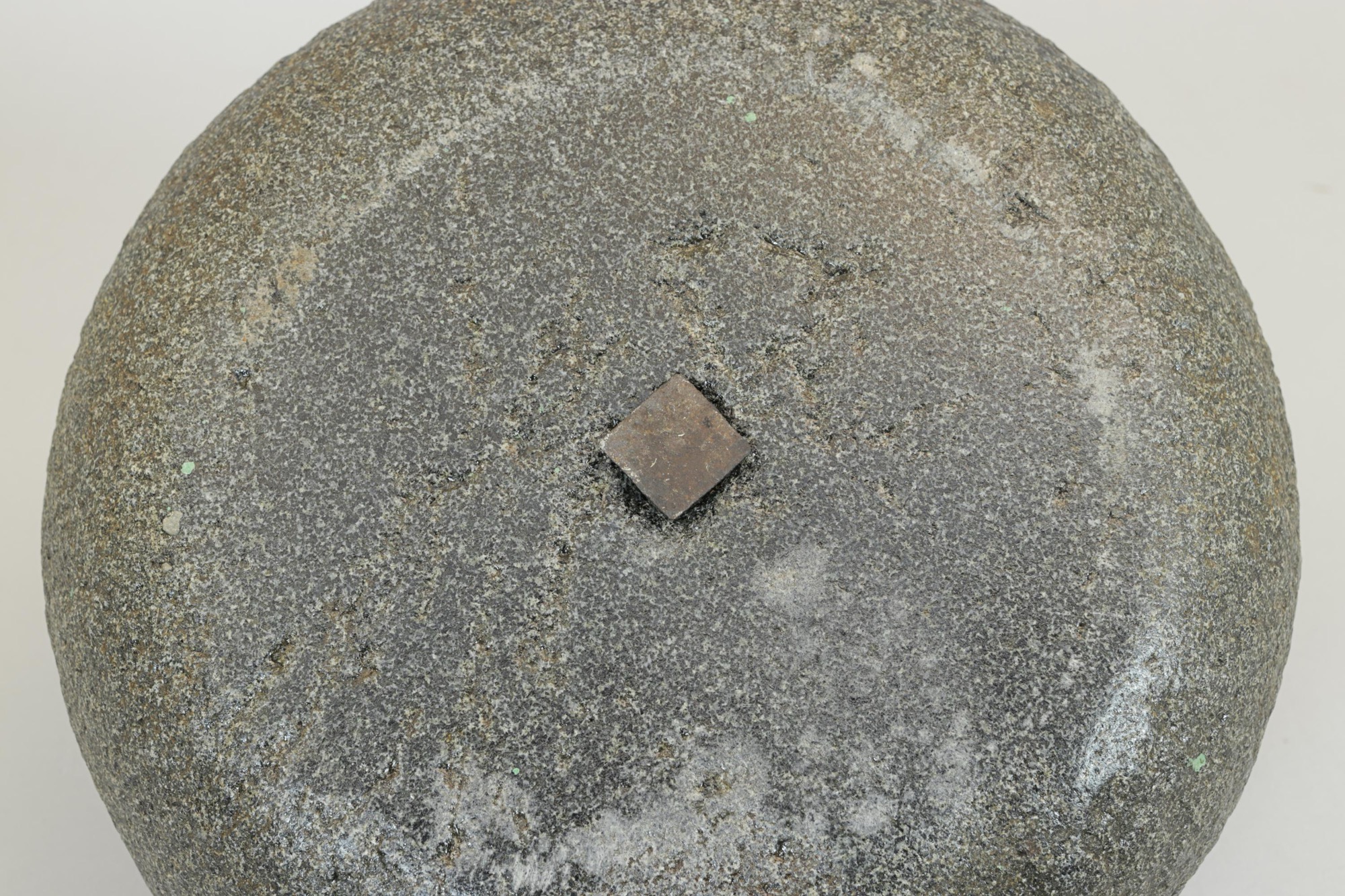
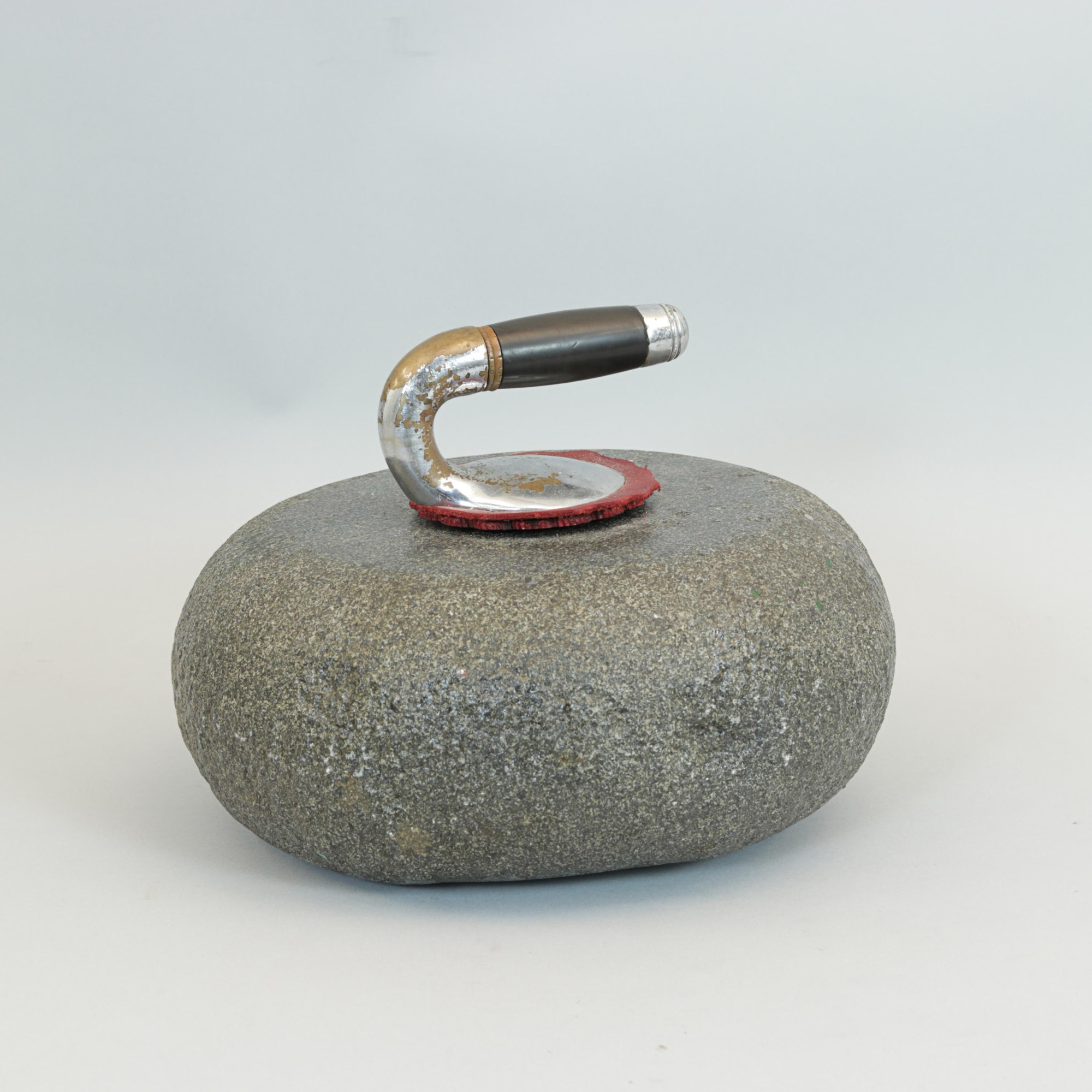
A 19th century granite curling stone fitted with a replacement handle. This double-soled curling stone, designed to be played on either side, has been fitted with a traditional curved, chrome-plated gooseneck handle with a black grip and decorative metal end cap. The granite has a heavily pitted surface, and there is some loss of chrome plating to the handle, all adding to the aged character of the piece.
The stone measures 27 cm in diameter and 12 cm high without the handle, which adds a further 7 cm to the overall height. The circumference is approximately 87 cm.
An attractive and interesting piece of curling history, with a wonderfully aged appearance. A good decorative collector's piece, and with its substantial weight, an antique curling stone also makes a very good doorstop.
The exact origins of curling are unclear, but the game has a long history in Scotland, where it was originally played outdoors on frozen lochs and ponds. With the unpredictability of the Scottish winters, artificial outdoor curling rinks were developed to make a little frost go a long way. Shallow areas of concrete were flooded with small amounts of water, which could freeze solid after a night's frost, providing a surface for curling when the lochs and ponds were unsafe.
The first curling clubs were formed in Scotland, where efforts were also made to standardise the rules and equipment. The Grand Caledonian Curling Club was founded in Edinburgh in 1838 and became the governing body of the sport in Scotland. The Club encouraged the use of round granite curling stones, and the game developed from teams of eight players throwing one stone each to teams of four players, each throwing two matched stones.
In 1842, Queen Victoria and Prince Albert visited Scone Palace, near Perth, where the Earl of Mansfield gave them a demonstration of curling on the polished floor of the ballroom. The Queen was evidently impressed, and the following year, in 1843, granted the Club permission to call itself the Royal Caledonian Curling Club.
Curling was also firmly established in Canada by Scottish immigrants. The Montreal Curling Club was founded in 1807, making it the oldest established sporting club still active in North America. Today known as the Royal Montreal Curling Club, it remains an important part of the game's history.
Dimensions:
1900-1949
Circa 1880
Granite
Scotland
Granite surface is heavily pitted, later handle with the bolt protruding from the bottom of the stone.
RELATED ITEMS